Better Made Snack Foods Potato Chips label check: why it scored 25/100
Better Made Snack Foods Potato Chips are salty, high in saturated fat and salt, with unhealthy oils.
Blume score
Low score - chips salty
This report uses Blume product data, ingredient notes, and FDA label-reading rules. It is general shopping context, not medical advice.
Short answer
Potato chips with high fat, saturated fat, and salt levels, plus unhealthy oils.
Answers people search for
is Better Made Snack Foods Potato Chips healthy
Not really. They are a processed snack built around oils and starch, so they are better treated as an occasional food rather than something to rely on for nutrition.
Better Made Snack Foods Potato Chips ingredients
The supplied components are cottonseed oil, corn oil, palm oil, added sugars, calcium, calories, cholesterol, and dietary fiber. The label data here does not show the full ingredient order.
Better Made Snack Foods Potato Chips nutrition
The available data does not include the full nutrition panel, but it does show a snack centered on oils with some fiber and the usual chip-style calorie load. That is enough to read it as a processed salty snack, not a nutrient-dense food.
are salty chips bad for you
They can be if they become a frequent habit. The main issues are easy overeating, high fat processing, and limited nutritional value compared with less processed snacks.
Why the score landed there
- High in saturated fats from cottonseed oil
- Contains potentially harmful cottonseed oil residues
- High salt content with moderate salt nutrient level
- Ultra-processed snack with low fiber, high calories.
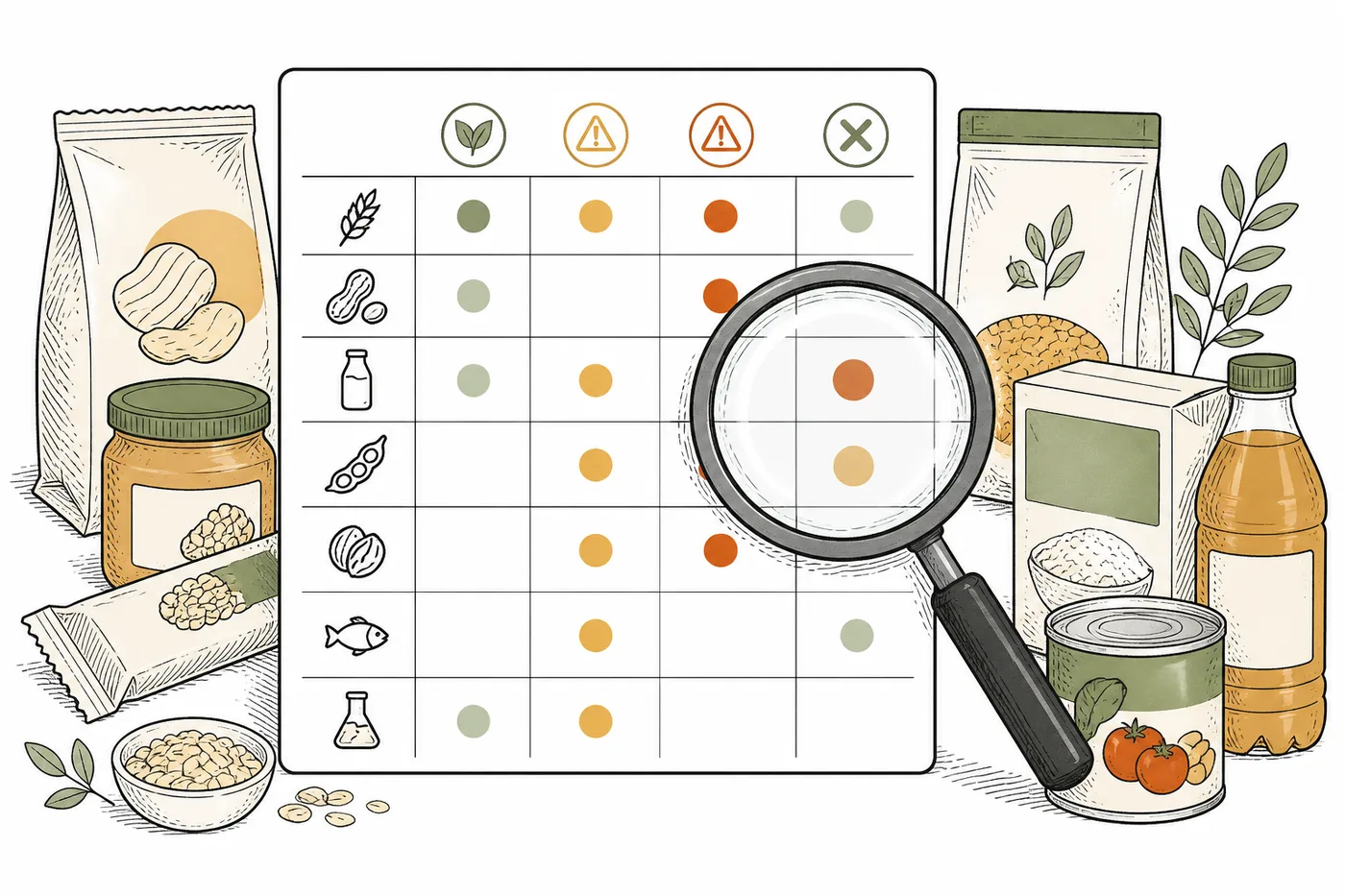
Ingredient risk map
Ingredient notes
Cottonseed Oil
This is the main ingredient to notice because it is hydrogenated in the supplied data. Hydrogenated oils are the kind of processing many shoppers try to limit.
Corn Oil
Corn oil is common in fried and processed foods. It is stable enough for snacks, but it adds more refined fat rather than meaningful nutrition.
Palm Oil
Palm oil helps with texture and stability, but it also contributes saturated fat to the recipe.
Added Sugars
Chip products usually are not thought of as sweet foods, so seeing this field reminds you that processed snacks can contain more than salt and oil.
Dietary Fiber
There is some fiber listed, but the bar is still a fried snack, so the fiber does not turn it into a high-fiber food.
What to compare in store
- If you want a lighter snack, compare chips with air-popped popcorn, plain nuts, or fruit and protein.
- If you care about fat quality, compare how much the snack relies on hydrogenated or highly refined oils.
- If you want more fullness, compare fiber per serving rather than just package size.
- If you are watching sodium or calories, compare the full nutrition panels across salty snacks instead of the flavor name alone.
Better label signals
- Non-fried or less oil-heavy snacks are usually a better sign for daily eating.
- Shorter ingredient lists can be a better sign if you want a more straightforward chip.
- No hydrogenated oils is a better sign for fat quality in processed snacks.
- More fiber and less oil usually point to a more satisfying snack with less processing.
Scan the label before you buy.
Blume reads food labels, flags ingredients, and gives each product a plain-English score so you can compare options in the aisle.
Download BlumeFAQ
Are potato chips bad for you?
They are usually not a great everyday food. Chips are easy to overeat and often rely on refined oils, so they fit best as an occasional snack.
What makes this chip product less healthy?
The oil blend is the main issue, especially hydrogenated cottonseed oil in the supplied data. The snack is also low on meaningful nutrition relative to its processing level.
Are sea salt chips better?
Not automatically. Sea salt can change the type of salt used, but the bigger question is usually the oil, the processing, and the full nutrition panel.
Sources and method
Product and ingredient signals come from the Blume product database. The label-reading context below is included on every product report so the article stays tied to public food-label rules.
- FDA Daily Value guide: The FDA says 20% DV or more is high and 5% DV or less is low for a nutrient on the Nutrition Facts label.
- FDA ingredient list guide: The FDA explains that ingredients are listed in descending order by weight on food labels.
- FDA major allergen update: Sesame became the ninth major food allergen in the United States on January 1, 2023.
- FAO NOVA classification overview: The NOVA system classifies foods by the extent and purpose of processing.