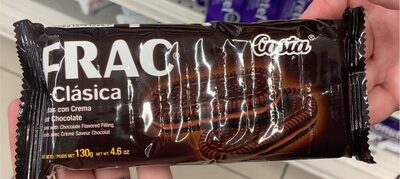
Costa FRAC Clásica ingredients: what the label says
Costa FRAC Clásica chocolate biscuits are high in sugars, fats, and additives, reflecting low health quality.
Blume score
Very low score - en:milk chocolate biscuits
This report uses Blume product data, ingredient notes, and FDA label-reading rules. It is general shopping context, not medical advice.
Short answer
High in sugars and saturated fat, contains palm oil and emulsifiers, classified ultra-processed with low fiber.
Answers people search for
is Costa FRAC Clásica healthy
It is not a strong healthy choice. The biscuit has some protein from eggs and milk, but it is still highly processed and flagged for additives and palm oils.
Costa FRAC Clásica ingredients
The supplied ingredients include baking soda, ammonium bicarbonate, cocoa powder, lecithin, cocoa paste, and eggs, along with other additives noted in the product data.
Costa FRAC Clásica nutrition
The available data does not include full Nutrition Facts values. What we do know is that the product has a Nutri-Score of E and is classified as NOVA 4.
is en:milk chocolate biscuits bad for you
Not every milk chocolate biscuit is the same, but this one is heavily processed and better treated as a treat than an everyday snack.
Why the score landed there
- High sugar content contributing to low healthiness
- Contains fractionated palm oil high in saturated fat
- Multiple emulsifiers with possible allergenicity from soy
- Classified as ultra-processed with limited whole foods
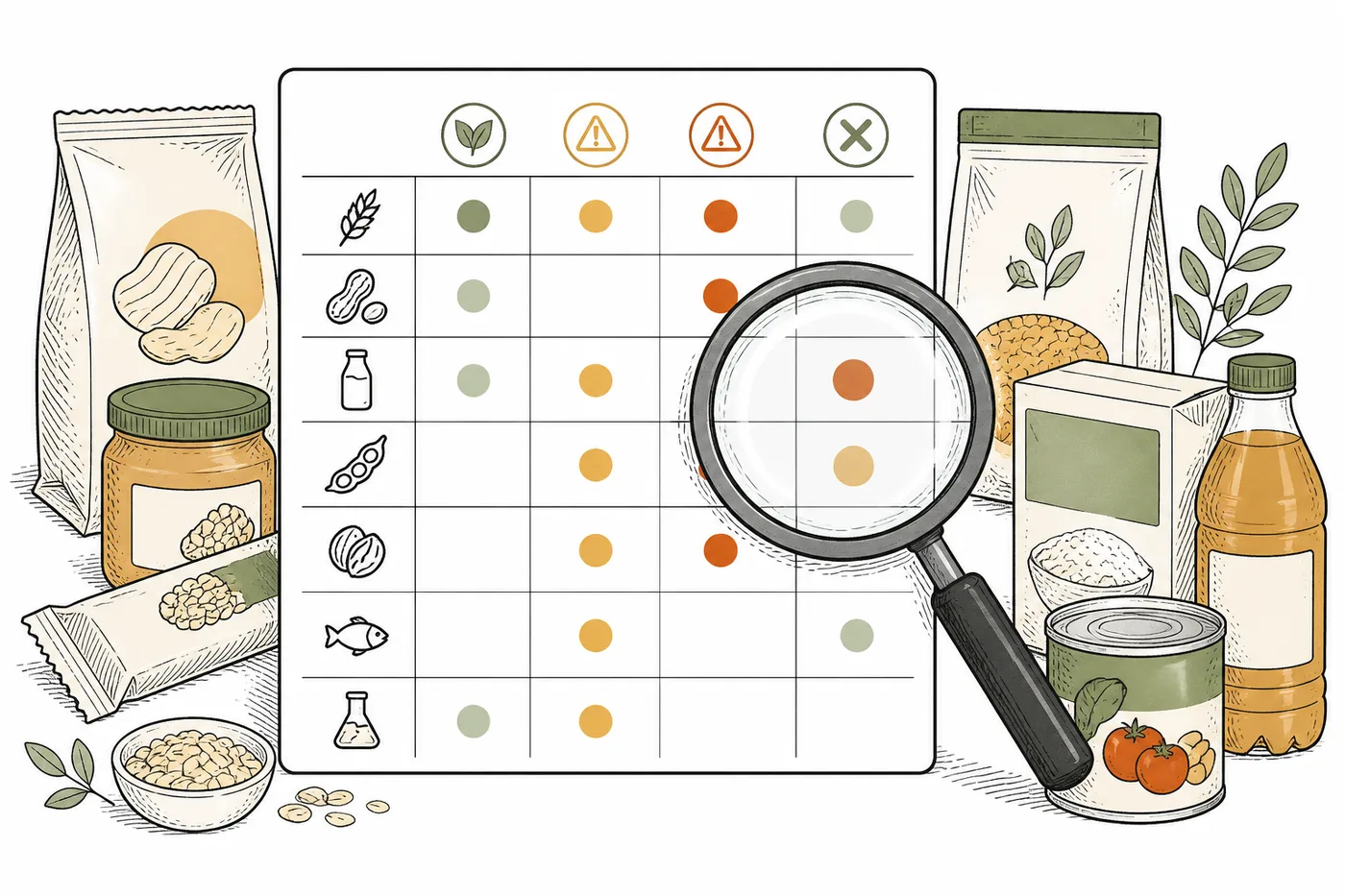
Ingredient risk map
Ingredient notes
Cocoa Powder
A useful ingredient for flavor and color. Cocoa itself can contribute beneficial compounds, but that does not offset the overall processing here.
Cocoa Paste
Also called cocoa mass. It gives the biscuit its chocolate base, but it is still part of a dessert-style formula.
Eggs
They add structure and a little protein. That is a positive point, although the amount is not provided.
Lecithin (E322)
An emulsifier that helps ingredients blend. It is common in baked snacks, but it is still an additive.
Baking Soda and Ammonium Bicarbonate
These leavening agents help the biscuit rise and texture correctly. They are standard in baking and not the main nutrition concern.
What to compare in store
- Compare it with a shorter-ingredient biscuit if you want a less processed snack.
- If you care about fat quality, look closely at products that do not rely on multiple palm oils.
- If you want more fiber, compare it with biscuits that list whole grains higher on the ingredient list.
- If you want a treat, check serving size first so the snack fits the rest of your day.
Better label signals
- A biscuit with whole grains as a major ingredient.
- A snack with fewer additives and no artificial color.
- A product with lower saturated fat from palm oils.
- A label that gives clear protein and fiber values.
Scan the label before you buy.
Blume reads food labels, flags ingredients, and gives each product a plain-English score so you can compare options in the aisle.
Download BlumeFAQ
Does this biscuit have any protein?
Yes, the product data says it contains some protein from eggs and milk.
Is it vegan?
The supplied facts say is_vegan is true, even though the component list includes eggs and mentions milk in the positive insights. That inconsistency means you should rely on the label in the package for confirmation.
Why does a biscuit score low if cocoa is included?
Cocoa is only one part of the formula. The Very low score reflects the overall processing level, palm oils, and additive-heavy profile.
Sources and method
Product and ingredient signals come from the Blume product database. The label-reading context below is included on every product report so the article stays tied to public food-label rules.
- FDA Daily Value guide: The FDA says 20% DV or more is high and 5% DV or less is low for a nutrient on the Nutrition Facts label.
- FDA ingredient list guide: The FDA explains that ingredients are listed in descending order by weight on food labels.
- FDA major allergen update: Sesame became the ninth major food allergen in the United States on January 1, 2023.
- FAO NOVA classification overview: The NOVA system classifies foods by the extent and purpose of processing.