For Goodness Shakes Protein Choc: Cellulose Gum and other ingredients to watch
For Goodness Shakes Protein Choc is a moderate protein drink with dairy proteins and additives.
Blume score
Caution score - protein drink
This report uses Blume product data, ingredient notes, and FDA label-reading rules. It is general shopping context, not medical advice.
Short answer
Protein drink with dairy protein and moderate additives, moderate processing.
Answers people search for
is For Goodness Shakes Protein Choc healthy
It can fit into a high-protein diet, but it is still a processed shake. The milk protein helps, while added sugars and gums make it less simple than many people want.
For Goodness Shakes Protein Choc ingredients
The listed ingredients include cellulose gum, gellan gum, added sugars, folic acid, milk protein concentrate, protein, calories, and saturated fat.
For Goodness Shakes Protein Choc nutrition
The provided data does not include the full nutrition facts panel. It does show a 330 g serving size and that the shake contains added sugars, calories, protein, and saturated fat.
is protein drink bad for your heart
Not automatically. What matters most is the full nutrition profile, including sugar, fat, and how often you rely on it. This product is a processed shake, so it is best seen as a convenience item.
Why the score landed there
- Contains cellulose gum, a moderate severity additive.
- Inclusion of gellan gum, low severity stabilizer.
- Uses milk protein concentrate and skimmed milk for quality protein.
- No added sugars and moderate additive use.
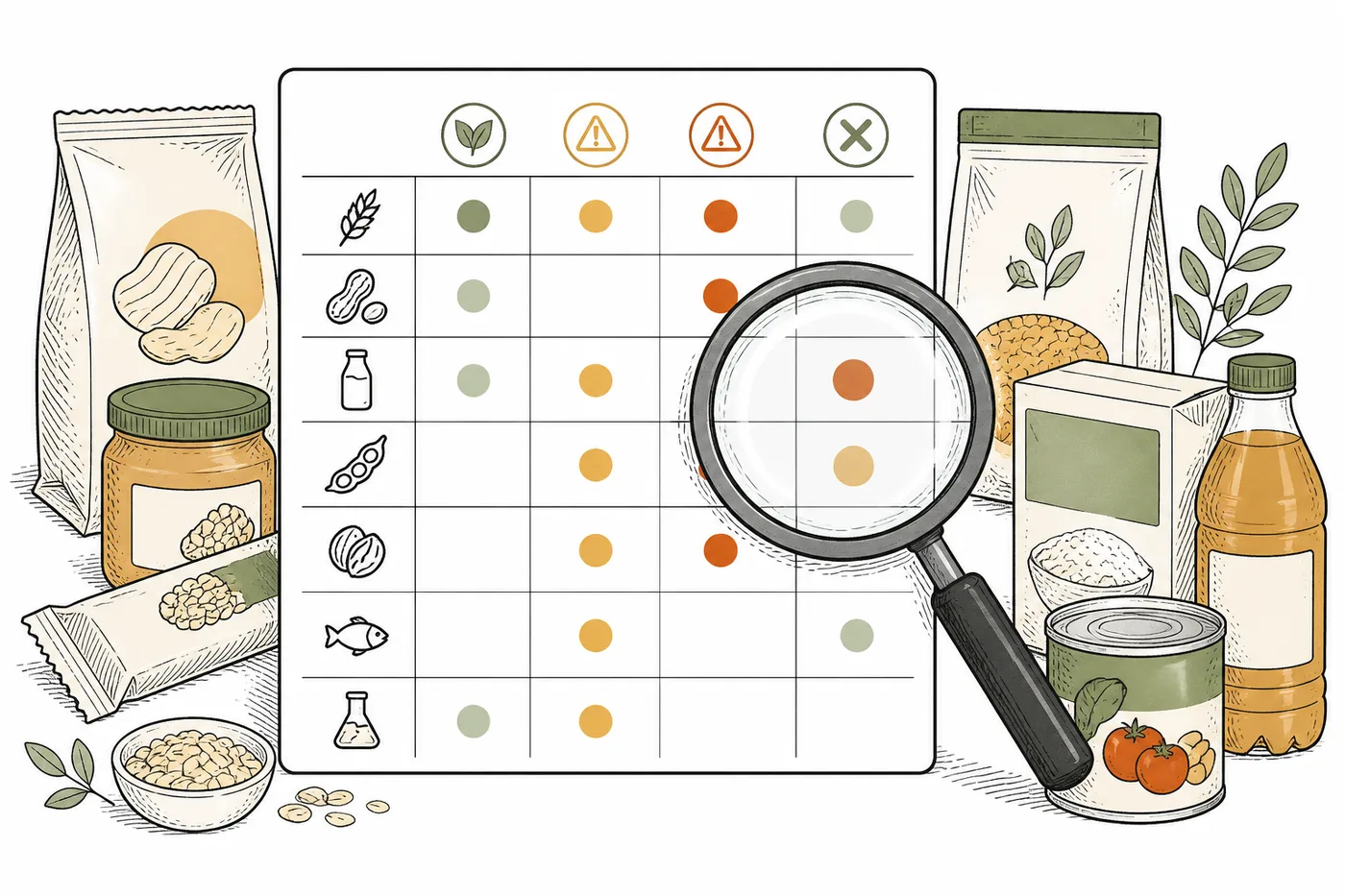
Ingredient risk map
Ingredient notes
cellulose gum
Used to thicken and stabilize the shake. It helps texture, but some people prefer to avoid gums in everyday drinks.
gellan gum
A gelling agent that supports consistency. It is common in shelf-stable beverages and usually there for texture, not nutrition.
folic acid
A fortifying vitamin added for nutrition support. It is useful in small amounts, but it is not a reason to treat the shake as a whole-food product.
milk protein concentrate
The main protein ingredient. It provides useful dairy protein, but it may not suit people with milk allergy or lactose sensitivity.
added sugars
These add sweetness and calories. If you are trying to keep sugar lower, this is the line to watch.
What to compare in store
- Compare it with an unsweetened protein drink if you want less added sugar.
- Compare it with a plant-based shake if you avoid dairy.
- If texture additives matter to you, compare labels for gums and stabilizers.
- If you use shakes often, compare the nutrition panel per serving rather than the front label only.
Better label signals
- Less added sugar would improve the everyday appeal.
- A shorter stabilizer list would make the product feel simpler.
- Clear protein and sugar numbers on the front would help shoppers compare faster.
- Using fewer fortification and texture aids would make the label easier to read.
Scan the label before you buy.
Blume reads food labels, flags ingredients, and gives each product a plain-English score so you can compare options in the aisle.
Download BlumeFAQ
Can protein shakes replace a meal?
Sometimes, but not always well. A shake can be convenient, yet it may not give the same fiber and variety as a balanced meal.
Are gums in protein shakes bad for you?
Not necessarily, but some people get bloating or digestive discomfort from them. It depends on your own tolerance and how often you drink them.
Is milk protein concentrate good protein?
Yes, it is a useful dairy protein source with essential amino acids. The main downside is that it is not suitable for everyone, especially people with milk allergy.
Sources and method
Product and ingredient signals come from the Blume product database. The label-reading context below is included on every product report so the article stays tied to public food-label rules.
- FDA Daily Value guide: The FDA says 20% DV or more is high and 5% DV or less is low for a nutrient on the Nutrition Facts label.
- FDA ingredient list guide: The FDA explains that ingredients are listed in descending order by weight on food labels.
- FDA major allergen update: Sesame became the ninth major food allergen in the United States on January 1, 2023.
- FAO NOVA classification overview: The NOVA system classifies foods by the extent and purpose of processing.