Müller Frijj Fudge Brownie Milkshake carton low health score explained in plain English
Müller Frijj Fudge Brownie Milkshake carton balances dairy nutrients with moderate sweeteners and texture additives.
Blume score
Low score - milk
This report uses Blume product data, ingredient notes, and FDA label-reading rules. It is general shopping context, not medical advice.
Short answer
Moderate additives with some natural dairy components; moderate sugar and fiber content, common for flavored milkshakes.
Answers people search for
Is Müller Frijj Fudge Brownie Milkshake carton healthy?
Müller Frijj Fudge Brownie Milkshake carton scores 30/100 in Blume, which puts it in the low range. That does not mean one serving is dangerous, but it does mean the label has tradeoffs worth comparing.
Müller Frijj Fudge Brownie Milkshake carton ingredients?
The ingredients worth slowing down for are Flavourings, Cellulose gum, Added Sugars, Buttermilk Powder. Scan the full label because ingredient order and serving size can change how the product fits your diet.
Müller Frijj Fudge Brownie Milkshake carton nutrition label?
Use the Nutrition Facts panel as the tie-breaker. The FDA's 5% and 20% Daily Value rule is a useful shortcut: 5% DV is low, while 20% DV is high for a nutrient.
Müller Frijj Fudge Brownie Milkshake carton calories and sugar?
Use the Nutrition Facts panel as the tie-breaker. The FDA's 5% and 20% Daily Value rule is a useful shortcut: 5% DV is low, while 20% DV is high for a nutrient.
Why the score landed there
- Contains added sugars but not excessively high
- Includes cellulose gum and carrageenan as texture stabilizers
- Carries dairy proteins and calcium beneficial for nutrition
- Flavorings add some level of processing but balanced by dairy ingredients
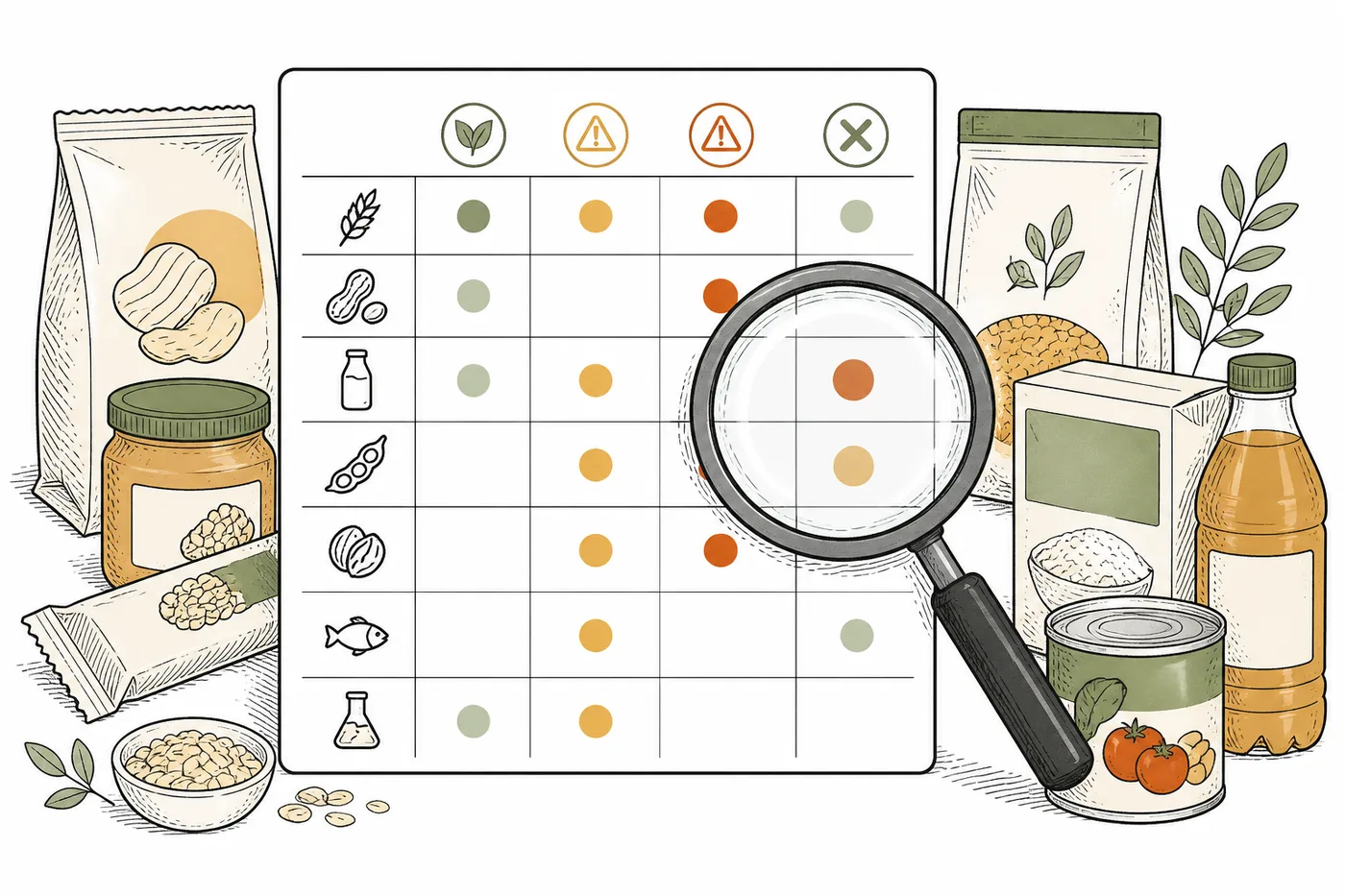
Ingredient risk map
Ingredient notes
Flavourings
This is a broad umbrella term and does not tell you exactly what creates the taste. It is common in highly processed drinks.
Cellulose gum
Used to thicken and stabilize the shake. It helps with texture, but it is still an additive rather than a whole-food ingredient.
Added Sugars
This is a clear sign that the product is sweetened. In a milkshake, added sugar is usually a major reason the score stays low.
Buttermilk Powder
This contributes dairy flavor and some protein and calcium, but it appears in a formula dominated by flavoring and stabilizing ingredients.
Carrageenan
A stabilizer used to improve texture and shelf life. Some people prefer to limit it if they are sensitive to highly processed dairy products.
What to compare in store
- When comparing milkshakes, check whether the sweetness comes from added sugar or from the milk itself.
- A simpler dairy drink will usually list milk or cultured milk ingredients before flavor systems and gums.
- If you want a more balanced option, compare the sugar content and ingredient count, more than the flavor name.
- Choose products with fewer stabilizers if you want something closer to a basic dairy drink.
Better label signals
- Milk or cultured milk listed before flavorings.
- No added sugars, or a clearly lower sugar profile.
- Fewer gums and stabilizers used to fix texture.
- A short, readable ingredient list with recognizable dairy ingredients.
Scan the label before you buy.
Blume reads food labels, flags ingredients, and gives each product a plain-English score so you can compare options in the aisle.
Download BlumeFAQ
Is this more like a dessert than a milk drink?
Yes, the ingredient pattern suggests a dessert-style milkshake. Added sugars, flavourings, and stabilizers play a major role.
Are carrageenan and cellulose gum the main issue here?
They are part of the issue, but the bigger concern is the combination of added sugar and multiple processing aids in one drink.
What is the main positive ingredient?
Buttermilk powder is the clearest positive ingredient because it adds dairy content. It is still present in a heavily processed formula.
Sources and method
Product and ingredient signals come from the Blume product database. The label-reading context below is included on every product report so the article stays tied to public food-label rules.
- FDA Daily Value guide: The FDA says 20% DV or more is high and 5% DV or less is low for a nutrient on the Nutrition Facts label.
- FDA ingredient list guide: The FDA explains that ingredients are listed in descending order by weight on food labels.
- FDA major allergen update: Sesame became the ninth major food allergen in the United States on January 1, 2023.
- FAO NOVA classification overview: The NOVA system classifies foods by the extent and purpose of processing.