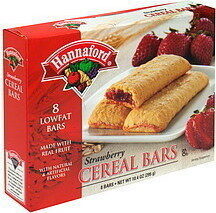
Before you buy Hannaford Fruit & Grain Cereal Bars, read these label signals
Hannaford Fruit & Grain Cereal Bars offer fiber-rich fruit ingredients and vitamins, a moderately healthy snack choice.
Blume score
Low score - en:cereal bars
This report uses Blume product data, ingredient notes, and FDA label-reading rules. It is general shopping context, not medical advice.
Short answer
Fruit & grain cereal bars with fruit fiber and added vitamins, low in additives.
Answers people search for
is Hannaford Fruit & Grain Cereal Bars healthy
It is a mixed choice. The bar has some fruit and grain elements, but the Low score reflects heavy processing, additives, and allergen concerns.
Hannaford Fruit & Grain Cereal Bars ingredients
The supplied components include water, pectin, sodium bicarbonate, apple, ascorbic acid, minerals, and pyridoxine hydrochloride, along with other ingredients noted in the product data.
Hannaford Fruit & Grain Cereal Bars nutrition
The data provided does not include full Nutrition Facts values. The product is marked Nutri-Score C and NOVA 4.
is en:cereal bars bad for you
Not all cereal bars are bad for you, but many are highly processed. This one is in that category, so it is better viewed as a convenience snack than a whole-food choice.
Why the score landed there
- Includes whole fruit (apple) providing natural fiber and nutrients
- Contains pectin as a natural fiber and gelling agent
- Added vitamins and minerals enhance nutritional value
- Low presence of synthetic additives or sweeteners
Ingredient risk map
Ingredient notes
E440 (Pectin)
A fruit-derived gelling agent. It is a normal ingredient in fillings and is one of the more positive signals here.
Apple
A real fruit component that adds natural sweetness and some fiber, though the amount is not listed.
Ascorbic Acid
Vitamin C used as an antioxidant and nutrient fortifier. It is common in packaged fruit snacks.
Pyridoxine Hydrochloride
A form of vitamin B6 used for fortification. It adds a nutrient point, but it does not make the bar whole-food based.
Sodium Bicarbonate
A standard leavening agent. It helps the texture of the bar or its components during baking.
What to compare in store
- Compare it with a bar that lists whole oats or nuts higher on the label if you want a less processed snack.
- If allergens matter, choose bars with a shorter and clearer allergen statement.
- If you want more fruit content, look for products where fruit is a main ingredient, more than part of the filling.
- If convenience is the priority, compare sugar and fiber per serving before deciding.
Better label signals
- A bar with fewer additives and no artificial colors.
- A higher whole-grain content.
- A clearer fiber listing that supports satiety.
- A label with fewer major allergens if you have sensitivities.
Scan the label before you buy.
Blume reads food labels, flags ingredients, and gives each product a plain-English score so you can compare options in the aisle.
Download BlumeFAQ
Does this bar contain real fruit?
Yes, the data includes apple and pectin, which is consistent with a fruit filling.
Why is it still low scoring if it has vitamins?
Fortification can add nutrients, but it does not change the fact that the bar is highly processed and additive-heavy.
Is it suitable for people with allergies?
The product data flags eggs, gluten, milk, and soybeans as common allergens, so it may not be suitable for everyone.
Sources and method
Product and ingredient signals come from the Blume product database. The label-reading context below is included on every product report so the article stays tied to public food-label rules.
- FDA Daily Value guide: The FDA says 20% DV or more is high and 5% DV or less is low for a nutrient on the Nutrition Facts label.
- FDA ingredient list guide: The FDA explains that ingredients are listed in descending order by weight on food labels.
- FDA major allergen update: Sesame became the ninth major food allergen in the United States on January 1, 2023.
- FAO NOVA classification overview: The NOVA system classifies foods by the extent and purpose of processing.