Huel Ready to Drink Vanilla plastic bottle label check: why it scored 80/100
Huel Ready to Drink Vanilla plastic bottle is a moderately healthy protein drink with low sugars and fat.
Blume score
Mixed score - protein drink
This report uses Blume product data, ingredient notes, and FDA label-reading rules. It is general shopping context, not medical advice.
Short answer
A convenient protein drink with low negative markers and moderate nutrient quality.
Answers people search for
is Huel Ready to Drink Vanilla plastic bottle healthy
It can be a practical meal-style drink, but the app data does not support calling it a clean health food. The main concerns are plastic packaging, UHT processing, and the presence of seed oils.
Huel Ready to Drink Vanilla plastic bottle ingredients
The supplied data does not give a full ingredient list. It does identify the source as water, oats, and pea protein, and it notes added sugars, fat, carbohydrates, protein, sodium, and seed oils in the product profile.
Huel Ready to Drink Vanilla plastic bottle nutrition
The data provided does not show exact amounts for the nutrition facts. What it does show is that the drink contains calories, fat, saturated fat, carbohydrates, fiber, protein, sodium, and added sugars.
is protein drink bad for you
A protein drink is not automatically bad, but this one is more processed and packaged than a simple food. If you use it for convenience, it is worth comparing it with less processed options.
Why the score landed there
- Low levels of added sugars and saturated fat
- Contains protein suitable for meal replacement
- Low sodium and total fat content
- Minimal information on additives or flavorings limits full assessment
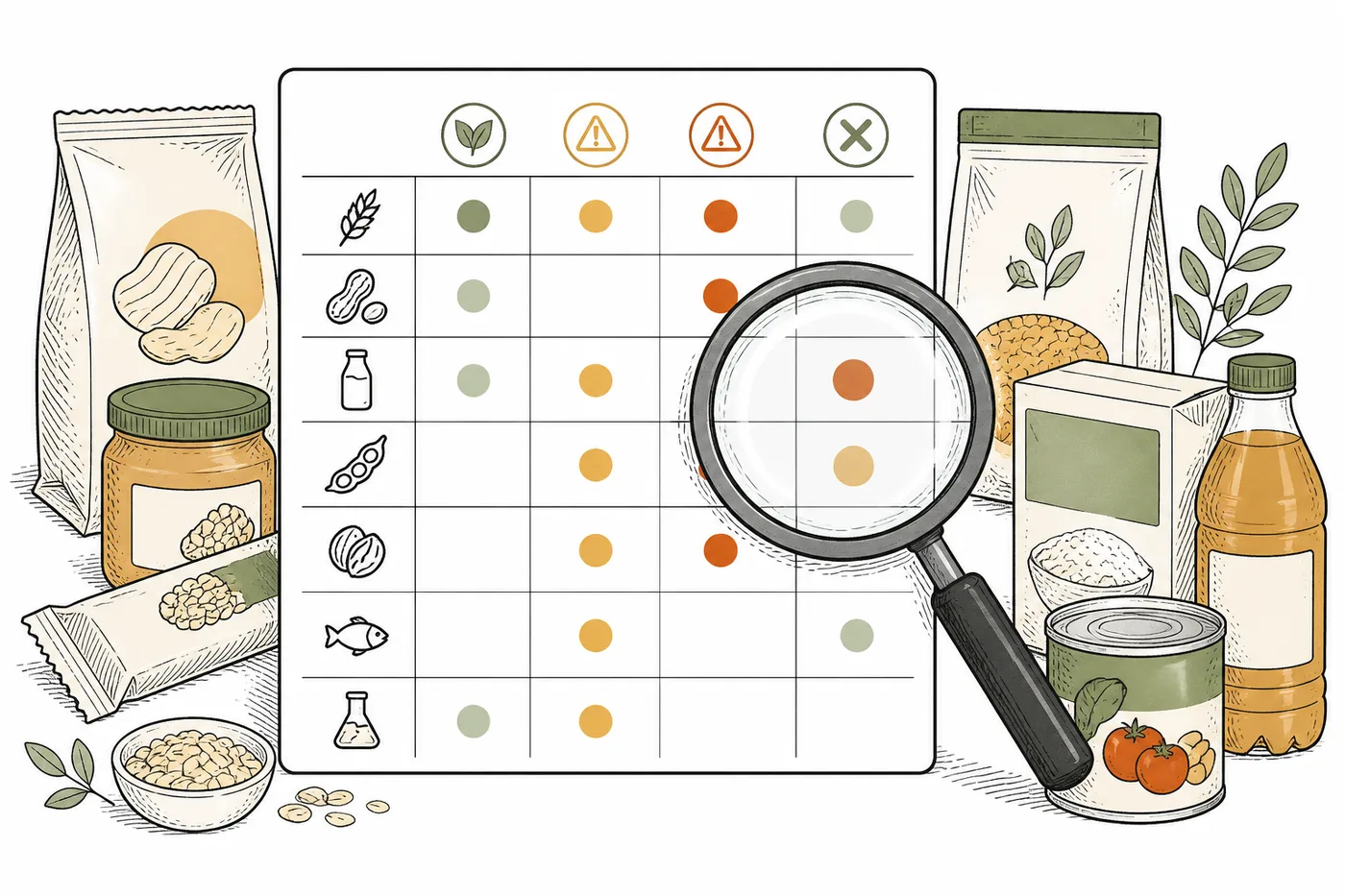
Ingredient risk map
Ingredient notes
Added Sugars
The product profile includes added sugars, so sweetness is not coming only from protein or oats.
Dietary Fiber
Fiber is one of the more favorable parts of the nutrition profile, though the full amount is not provided here.
Protein
The drink includes protein from oats and pea protein, which supports its role as a ready-to-drink meal-style option.
Sodium
Sodium is listed in the nutrition profile, so it is worth checking against your daily intake if you drink these often.
Total Fat
The product contains fat, and the data also says it contains seed oils, which is relevant for shoppers avoiding them.
What to compare in store
- Compare it with shelf-stable drinks that have shorter ingredient lists if you want a less processed option.
- If plastic packaging matters to you, compare against cartons or other container types.
- Look at the amount of added sugar and sodium alongside protein before deciding it fits your routine.
- If you want a meal replacement, compare fiber and protein together rather than protein alone.
Better label signals
- A shorter ingredient list would be a better sign for a ready-to-drink product.
- Less reliance on plastic packaging is a better signal for packaging-conscious shoppers.
- Lower added sugar is usually a better sign in meal-style drinks.
- Clearer processing methods and fewer seed oils would improve the label profile.
Scan the label before you buy.
Blume reads food labels, flags ingredients, and gives each product a plain-English score so you can compare options in the aisle.
Download BlumeFAQ
Is this a good alternative to protein drinks?
It can work as a convenient alternative, but it is still a processed bottled drink. If you want a cleaner option, compare it with products that use fewer additives and simpler packaging.
Why does the packaging matter here?
The app data specifically flags plastic packaging as a concern. That does not change the nutrition facts, but it is part of the product's overall score.
Is this bad for your kidneys or liver?
The provided data does not support a direct kidney or liver claim. The more grounded point is that it is a processed, packaged drink, so frequency and overall diet matter most.
Sources and method
Product and ingredient signals come from the Blume product database. The label-reading context below is included on every product report so the article stays tied to public food-label rules.
- FDA Daily Value guide: The FDA says 20% DV or more is high and 5% DV or less is low for a nutrient on the Nutrition Facts label.
- FDA ingredient list guide: The FDA explains that ingredients are listed in descending order by weight on food labels.
- FDA major allergen update: Sesame became the ninth major food allergen in the United States on January 1, 2023.
- FAO NOVA classification overview: The NOVA system classifies foods by the extent and purpose of processing.