Martin's Famous Pastry Shoppe 8 Long Potato Rolls ingredients: what the label says
Martin's Famous Pastry Shoppe 8 Long Potato Rolls are moderately processed bread with some synthetic additives.
Blume score
Low score - buns
This report uses Blume product data, ingredient notes, and FDA label-reading rules. It is general shopping context, not medical advice.
Short answer
Potato rolls with moderate processing; contains sunflower oil and bakery additives.
Answers people search for
Is Martin's Famous Pastry Shoppe 8 Long Potato Rolls healthy?
Martin's Famous Pastry Shoppe 8 Long Potato Rolls scores 32/100 in Blume, which puts it in the low range. That does not mean one serving is dangerous, but it does mean the label has tradeoffs worth comparing.
Martin's Famous Pastry Shoppe 8 Long Potato Rolls ingredients?
The ingredients worth slowing down for are Sunflower Oil, Wheat Gluten, DATEM, Added Sugars. Scan the full label because ingredient order and serving size can change how the product fits your diet.
Martin's Famous Pastry Shoppe 8 Long Potato Rolls nutrition label?
Use the Nutrition Facts panel as the tie-breaker. The FDA's 5% and 20% Daily Value rule is a useful shortcut: 5% DV is low, while 20% DV is high for a nutrient.
Martin's Famous Pastry Shoppe 8 Long Potato Rolls calories and sugar?
Use the Nutrition Facts panel as the tie-breaker. The FDA's 5% and 20% Daily Value rule is a useful shortcut: 5% DV is low, while 20% DV is high for a nutrient.
Why the score landed there
- Use of sunflower oil with high omega-6 fatty acids
- Contains wheat gluten, an allergen for some
- Use of DATEM emulsifier, a synthetic additive
- Includes natural coloring and preservatives typical in prepared bread products
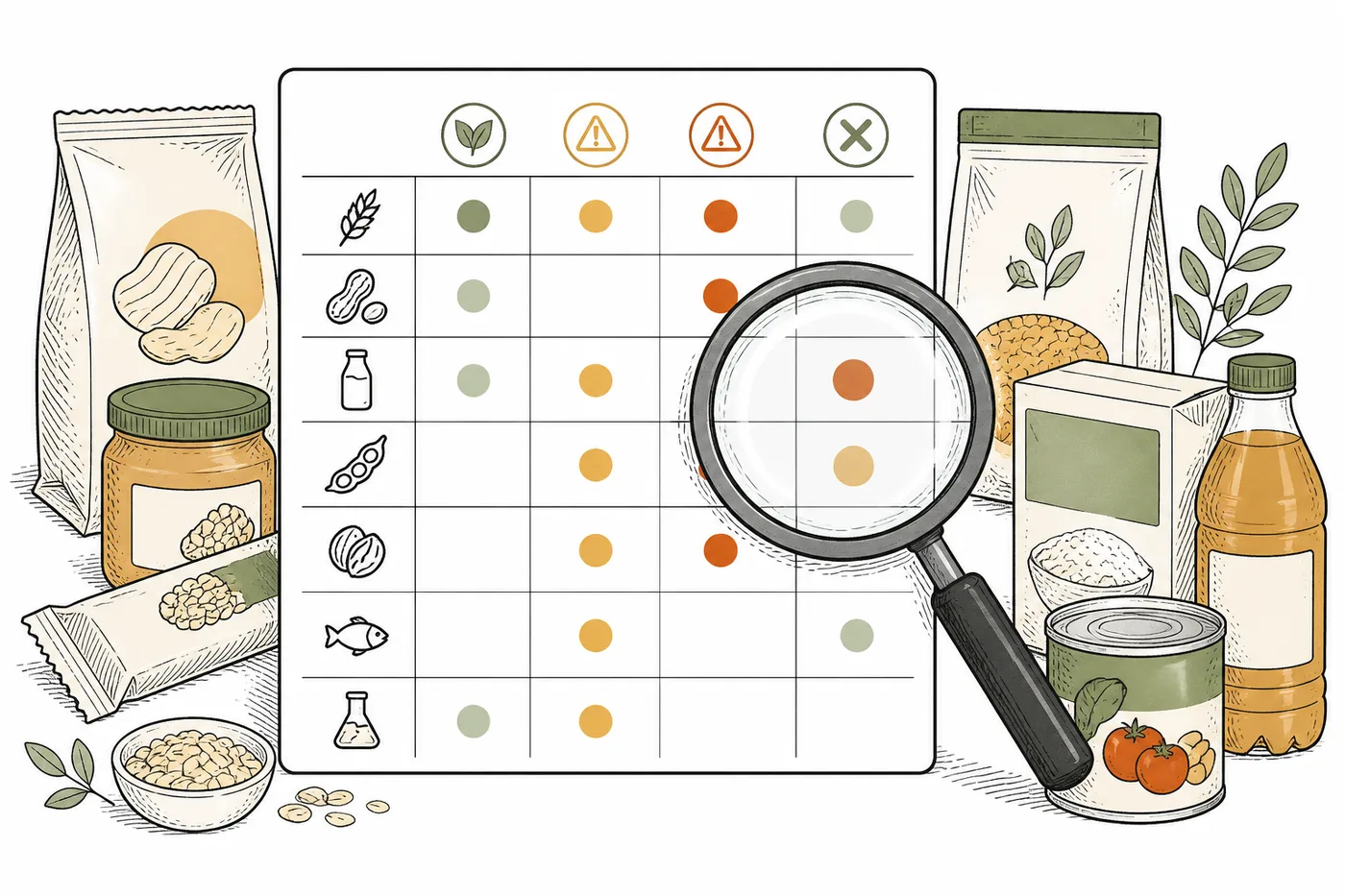
Ingredient risk map
Ingredient notes
Sunflower Oil
Used for softness and texture, but it is a refined oil and a marker of a more processed bread.
Wheat Gluten
Helps the rolls stay elastic and airy, though it is added for structure rather than whole-food nutrition.
DATEM
An emulsifier that improves dough handling and volume, but it adds to the additive load.
Added Sugars
These raise the sweetness level and make the bread less neutral than a basic roll.
Calcium Propionate
A preservative that helps prevent mold, which is useful for shelf life but also shows the product is built for packaged storage.
What to compare in store
- Compare against breads with fewer conditioners and preservatives if you want a simpler daily option.
- If softness matters, compare labels but favor rolls that get there without as many emulsifiers.
- Look for breads with whole grain flour first if you want more fiber.
- If you buy packaged rolls often, compare sodium, sugar, and additive counts across brands.
Better label signals
- Whole grain flour listed first would be a stronger bread choice.
- Fewer dough conditioners would point to a simpler formula.
- No added sugars would make the roll easier to use with savory meals.
- A shorter shelf-life bread with fewer preservatives can be a cleaner label signal.
Scan the label before you buy.
Blume reads food labels, flags ingredients, and gives each product a plain-English score so you can compare options in the aisle.
Download BlumeFAQ
Why does a bread score this low?
The score reflects a formula built around refined flour, oil, conditioners, added sugars, and preservatives rather than a simpler bread base.
Is sunflower oil the main concern?
It is one concern, but the bigger picture is the combination of oil, emulsifiers, sugars, and preservatives.
What is a better packaged bread signal?
A shorter ingredient list with whole grain flour, fewer conditioners, and no added sugars is a better sign.
Sources and method
Product and ingredient signals come from the Blume product database. The label-reading context below is included on every product report so the article stays tied to public food-label rules.
- FDA Daily Value guide: The FDA says 20% DV or more is high and 5% DV or less is low for a nutrient on the Nutrition Facts label.
- FDA ingredient list guide: The FDA explains that ingredients are listed in descending order by weight on food labels.
- FDA major allergen update: Sesame became the ninth major food allergen in the United States on January 1, 2023.
- FAO NOVA classification overview: The NOVA system classifies foods by the extent and purpose of processing.