Is sodastream Mountain Dew, Zero Sugar bad for you? A label-based answer
Sodastream Mountain Dew Zero Sugar is highly processed with artificial sweeteners and preservatives, low health score.
Blume score
Very low score - soda
This report uses Blume product data, ingredient notes, and FDA label-reading rules. It is general shopping context, not medical advice.
Short answer
Zero sugar soda with multiple artificial sweeteners and preservatives.
Answers people search for
is sodastream Mountain Dew, Zero Sugar healthy
It is better thought of as a diet soda-style drink than a health drink. It has no listed added sugar, but it relies on artificial sweeteners and preservatives.
sodastream Mountain Dew, Zero Sugar ingredients
The supplied data lists sucralose, acesulfame potassium, calcium disodium EDTA, natural flavor, sodium benzoate, citric acid, potassium benzoate, and added sugars.
sodastream Mountain Dew, Zero Sugar nutrition
The data provided here does not include a full nutrition panel, so the main takeaway is the low-calorie, zero-sugar style formula rather than exact nutrient amounts.
is soda bad for your teeth
Regular soda can be rough on teeth because of acidity and sugar. This zero-sugar version removes sugar, but the acidic soda profile and frequent sipping can still matter for dental health.
Why the score landed there
- Contains sucralose and acesulfame potassium as artificial sweeteners
- Includes multiple preservatives and acids
- Natural flavor is vague and likely processed
- Lacks fiber, protein or whole food ingredients
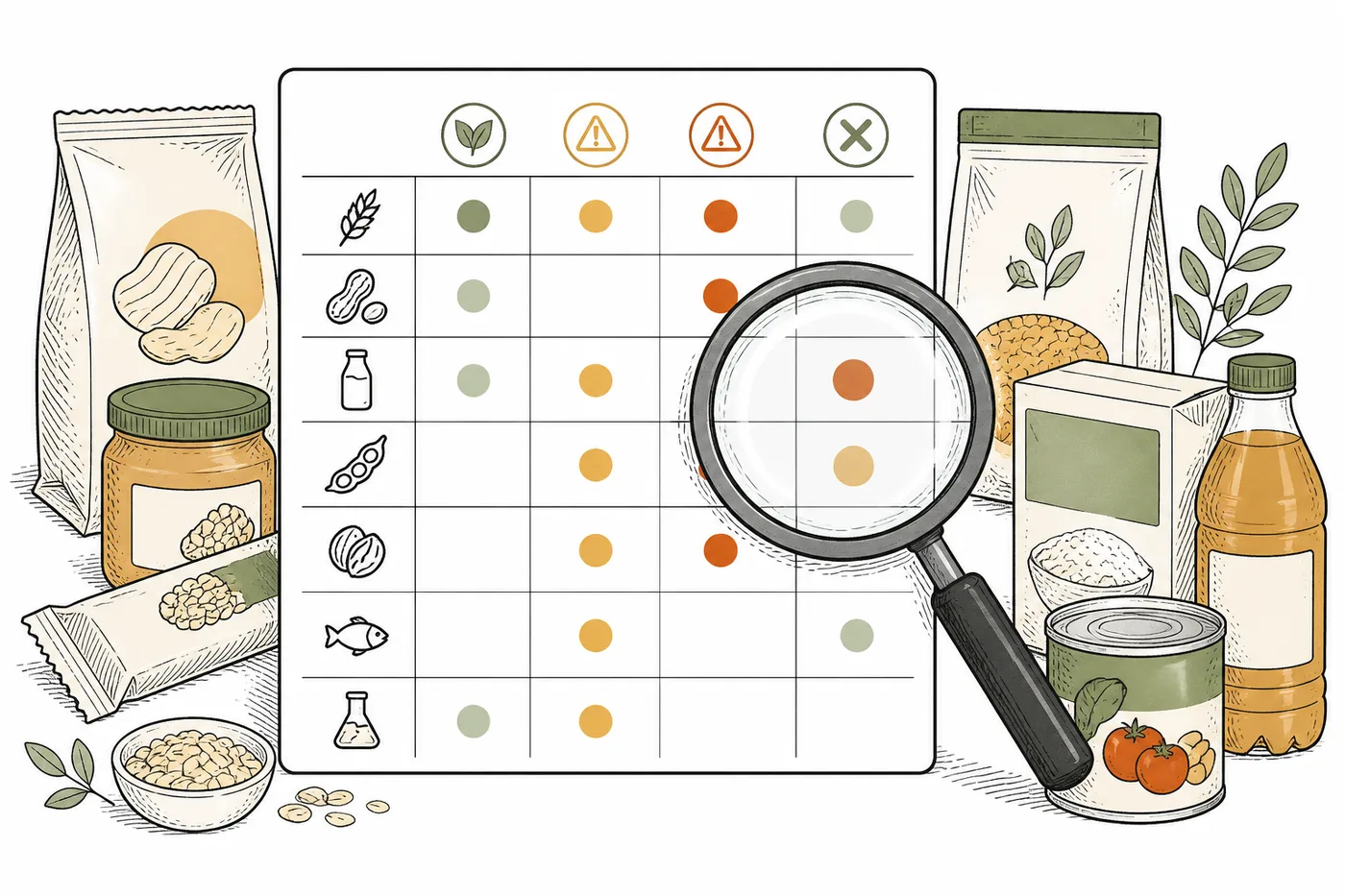
Ingredient risk map
Ingredient notes
Sucralose
This is the main sweetener and the biggest reason the drink feels highly processed.
Acesulfame potassium
This is usually paired with other sweeteners to sharpen sweetness and reduce aftertaste.
Calcium disodium EDTA
This helps keep the drink stable by limiting oxidation, but it is still a functional additive rather than a nutritional one.
Sodium benzoate
This preservative helps extend shelf life, especially in acidic drinks.
Potassium benzoate
This works with the other preservatives to keep the drink stable over time.
What to compare in store
- Compare zero-sugar sodas by how many sweeteners they use, not only by calorie count.
- If you want fewer preservatives, look for simpler sparkling drinks with shorter ingredient lists.
- If you are sensitive to very sweet tastes, choose drinks with less reliance on sucralose and acesulfame potassium.
- For frequent use, compare acidity and ingredient simplicity, more than flavor name.
Better label signals
- One sweetener instead of multiple sweeteners would be a simpler sign.
- Fewer preservatives would suggest less formula complexity.
- No added sugars would be preferable for a zero-sugar product.
- A shorter ingredient list would make the drink easier to understand.
Scan the label before you buy.
Blume reads food labels, flags ingredients, and gives each product a plain-English score so you can compare options in the aisle.
Download BlumeFAQ
Does zero sugar mean better for weight control?
Zero sugar can help reduce calorie intake compared with regular soda, but it does not automatically make the drink a healthy everyday choice.
Is sucralose the same as sugar?
No. Sucralose is an artificial sweetener used in very small amounts because it is much sweeter than sugar.
Why are there so many preservatives?
They help the drink stay stable and safe on the shelf, especially in acidic beverages.
Sources and method
Product and ingredient signals come from the Blume product database. The label-reading context below is included on every product report so the article stays tied to public food-label rules.
- FDA Daily Value guide: The FDA says 20% DV or more is high and 5% DV or less is low for a nutrient on the Nutrition Facts label.
- FDA ingredient list guide: The FDA explains that ingredients are listed in descending order by weight on food labels.
- FDA major allergen update: Sesame became the ninth major food allergen in the United States on January 1, 2023.
- FAO NOVA classification overview: The NOVA system classifies foods by the extent and purpose of processing.