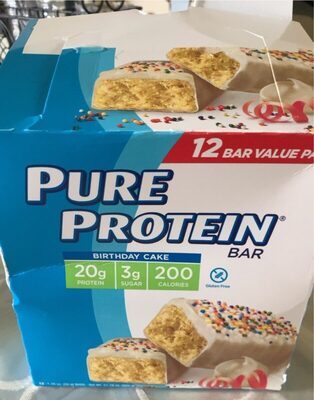
What is in Pure protein bar? Ingredients to compare
Pure Protein bar delivers high protein but is ultra-processed with many additives and sweeteners.
Blume score
Low score - en:snacks
This report uses Blume product data, ingredient notes, and FDA label-reading rules. It is general shopping context, not medical advice.
Short answer
High protein content but ultra-processed with multiple additives, sweeteners, and artificial colors; moderate fat and salt.
Answers people search for
is Pure protein bar healthy
It can fit into a busy day, but this label is not what most people would call a minimally processed healthy snack. The bar provides protein, yet it also uses sucralose and other processing ingredients, so the balance depends on how often you eat it and what the rest of your diet looks like.
are pure protein bars bad for you
Not necessarily, but they are not an especially clean option either. This bar includes sucralose, glycerol, and processed protein ingredients, so the concern is more about regular reliance on it than a single serving.
Pure protein bar ingredients
The listed components here include water, tocopherols, lactic acid, milk protein isolate, a protein blend, glycerol, and carnauba wax, along with sucralose. That mix points to a bar made for shelf life, texture, and sweetness as much as protein.
pure protein bars ingredients review
From this label, the main takeaway is that the bar is built around protein isolates and additives rather than simple pantry ingredients. It is convenient and clearly labeled, but it is still a processed bar with an artificial sweetener.
Why the score landed there
- High protein from milk and soy isolates but highly processed
- Contains multiple artificial colors and sweeteners (maltitol, sucralose)
- Moderate amounts of fat, saturated fat, salt, and high sugars
- NOVA 4 ultra-processed classification lowers score
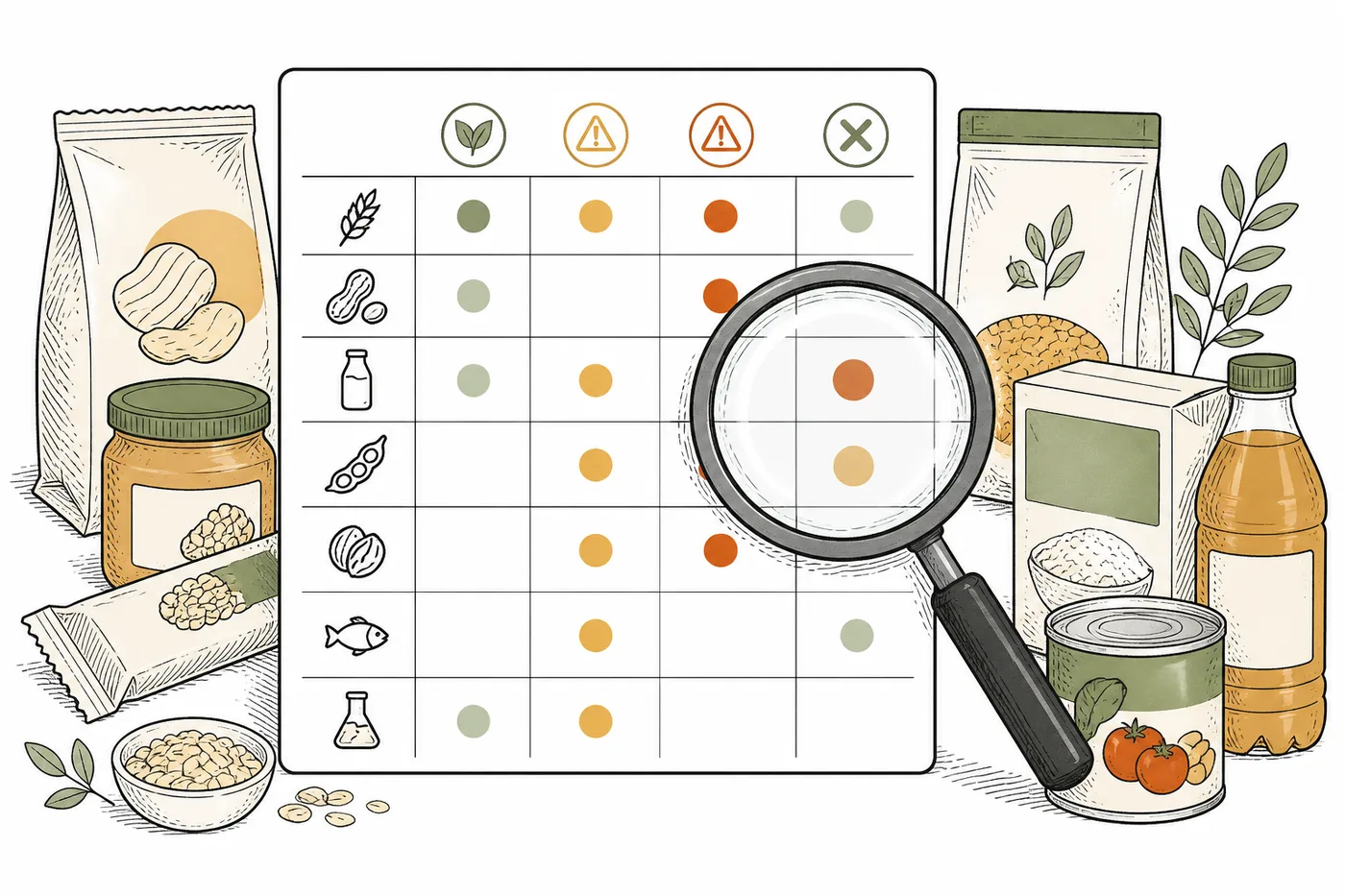
Ingredient risk map
Ingredient notes
Sucralose
This is the main ingredient to notice if you are trying to limit artificial sweeteners. It adds sweetness without calories, but it is one reason the bar scores lower.
Milk Protein Isolate
This is a concentrated protein source that helps raise the protein content. It is useful nutritionally, but it is also a processed ingredient.
Protein Blend
A blend usually means more than one protein source is used to shape texture and nutrition. It can help with protein delivery, but the label does not spell out every source here.
E422 (Glycerol)
Glycerol is used to keep bars soft and moist. It is common in shelf-stable snacks, but it also signals a more processed formulation.
E903 (Carnauba Wax)
This plant-based glaze gives the bar a shiny coating and helps protect the product. It is generally considered safe, but it is still part of the processing profile.
What to compare in store
- If you want the simplest snack, compare this bar with options that use fewer additives and no artificial sweeteners.
- If protein is your main goal, compare the protein amount against the ingredient list, more than the front label.
- If you are sensitive to sweeteners, compare bars with stevia or no sweetener at all instead of sucralose.
- If you want something closer to food, compare it with plain yogurt, nuts, or fruit plus a protein source.
Better label signals
- Short ingredient list with recognizable foods first.
- No artificial sweeteners such as sucralose.
- Protein from simpler sources and fewer texture agents.
- Lower reliance on glazing, humectants, and flavor protection additives.
Scan the label before you buy.
Blume reads food labels, flags ingredients, and gives each product a plain-English score so you can compare options in the aisle.
Download BlumeFAQ
Why is the score low if it has protein?
Protein helps, but the score also reflects how processed the rest of the formula is. Here, sweeteners and texture ingredients push the overall profile down.
Is this bar vegan?
The data says yes, it is marked vegan. That does not make it a whole-food choice, but it does help if you are avoiding animal ingredients.
Is this a good post-workout snack?
It can work as a quick protein option, especially when convenience matters. If you want a less processed recovery snack, there are simpler choices with fewer additives.
Sources and method
Product and ingredient signals come from the Blume product database. The label-reading context below is included on every product report so the article stays tied to public food-label rules.
- FDA Daily Value guide: The FDA says 20% DV or more is high and 5% DV or less is low for a nutrient on the Nutrition Facts label.
- FDA ingredient list guide: The FDA explains that ingredients are listed in descending order by weight on food labels.
- FDA major allergen update: Sesame became the ninth major food allergen in the United States on January 1, 2023.
- FAO NOVA classification overview: The NOVA system classifies foods by the extent and purpose of processing.