Before you buy Tapatío Ramen Taiyio Ramen Noodle Soup Birria, read these label signals
Taiyio Ramen Noodle Soup Birria includes additives and oils reducing overall healthiness.
Blume score
Very low score - pasta
This report uses Blume product data, ingredient notes, and FDA label-reading rules. It is general shopping context, not medical advice.
Short answer
Processed ramen with several high-risk oils and artificial flavorings lowers health quality.
Answers people search for
is Tapatío Ramen Taiyio Ramen Noodle Soup Birria healthy
Based on the supplied data, no. It is a very low scoring ramen with seed oil, artificial flavor, and multiple processing additives.
Tapatío Ramen Taiyio Ramen Noodle Soup Birria ingredients
The data lists silicon dioxide, soybean oil, artificial beef flavor, polysorbate, wheat gluten, non-GMO modified tapioca starch, added sugars, and bok choy.
Tapatío Ramen Taiyio Ramen Noodle Soup Birria nutrition
No exact nutrition panel was supplied, so I cannot give calories, sodium, or macro amounts. The ingredient profile still suggests a highly processed product.
is pasta bad for your kidneys
Pasta itself is not automatically bad for kidneys. For this product, the bigger concern is that processed ramen often relies on sodium-heavy seasoning and additives, which can be a factor if you are watching kidney-related dietary limits.
Why the score landed there
- Contains high severity silicon dioxide as additive
- Soybean oil is high severity with omega-6 and processing concerns
- Artificial beef flavor adds moderate risk and ultra-processing
- Presence of polysorbate as emulsifier adds moderate additive concern
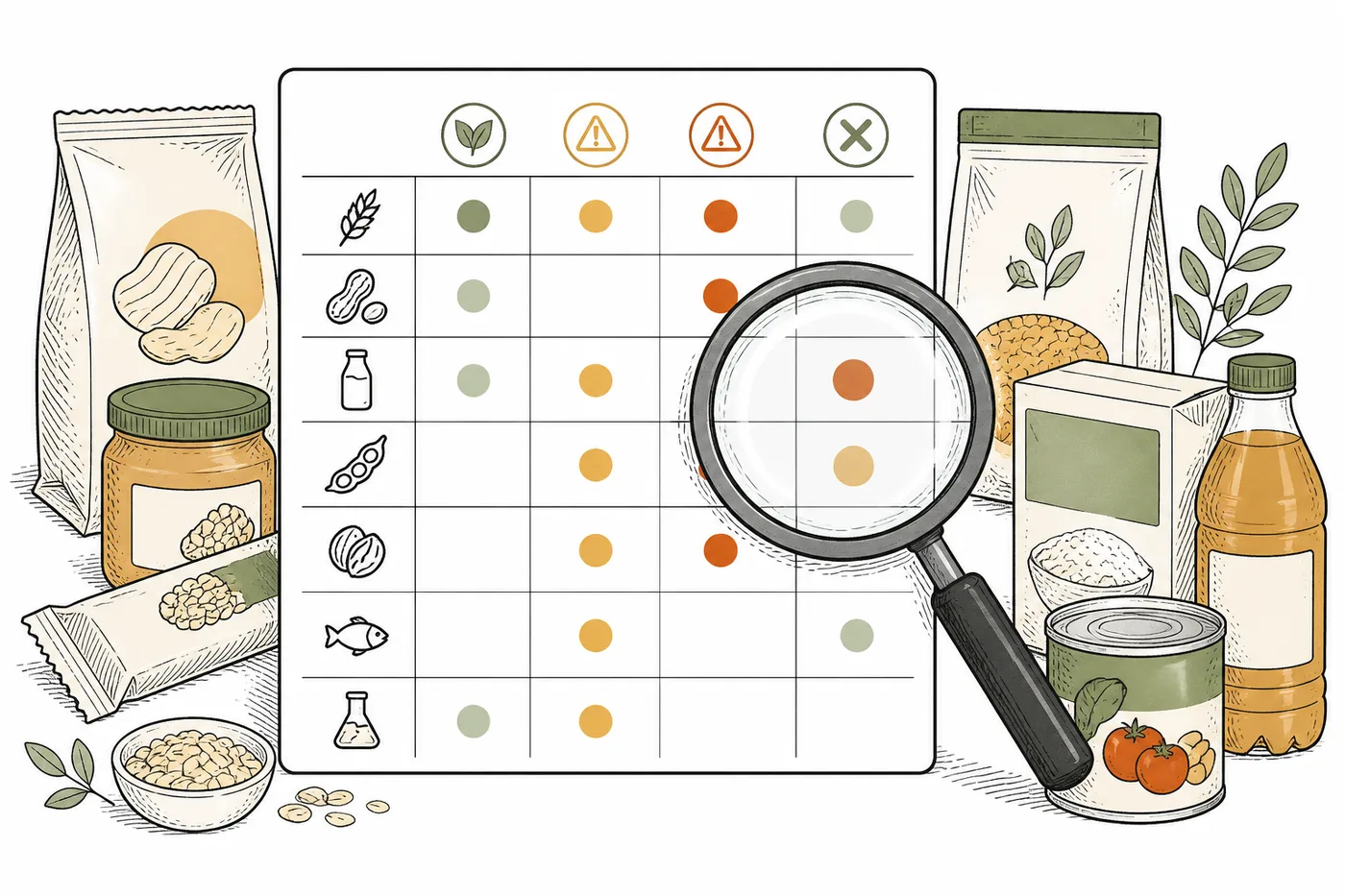
Ingredient risk map
Ingredient notes
soybean oil
A seed oil used for texture and richness. It is common in processed foods and is one reason the formula reads as more industrial than simple.
artificial beef flavor
This provides meat-like taste without being a real broth ingredient. It is a flavoring system, not a nutrient source.
polysorbate
An emulsifier used to keep oil and water mixed. It improves texture, but it also signals a more processed product.
wheat gluten
A protein component that can improve texture, but it is a concern for people with wheat allergy or celiac disease.
bok choy
A positive whole-food ingredient that adds some vegetable value, but it appears in a product that is still mostly built for convenience and shelf stability.
What to compare in store
- Compare it with a soup or noodle product built from a clearer broth base and fewer emulsifiers.
- If you want birria-style flavor, a homemade bowl or a restaurant version with a simpler ingredient list will usually be more direct.
- Check for sodium if you are watching kidney or blood pressure concerns, since instant soup products often rely on seasoning strength.
- Choose products with visible vegetables and fewer additives if you want ramen to function more like a meal.
Better label signals
- A broth made from recognizable spices and stock ingredients.
- No artificial meat flavoring.
- Fewer emulsifiers and anti-caking agents.
- A higher share of visible vegetables relative to seasoning additives.
Scan the label before you buy.
Blume reads food labels, flags ingredients, and gives each product a plain-English score so you can compare options in the aisle.
Download BlumeFAQ
Does having bok choy make this ramen healthy?
It helps, but not enough to outweigh the overall processing profile. One good ingredient does not change the rest of the formula.
What is the main issue with seed oils here?
The issue is not that the oil is present at all, but that the product is built as a processed food around refined oil rather than whole ingredients.
Is wheat gluten a problem for everyone?
No. It is mainly a concern for people with celiac disease, wheat allergy, or gluten sensitivity.
Sources and method
Product and ingredient signals come from the Blume product database. The label-reading context below is included on every product report so the article stays tied to public food-label rules.
- FDA Daily Value guide: The FDA says 20% DV or more is high and 5% DV or less is low for a nutrient on the Nutrition Facts label.
- FDA ingredient list guide: The FDA explains that ingredients are listed in descending order by weight on food labels.
- FDA major allergen update: Sesame became the ninth major food allergen in the United States on January 1, 2023.
- FAO NOVA classification overview: The NOVA system classifies foods by the extent and purpose of processing.