Nissin Top Ramen Chili Chicken Flavor: Soy and other ingredients to watch
Nissin Top Ramen Chili Chicken Flavor is a highly processed instant noodle with artificial colors and soy allergens.
Blume score
Very low score - fast food
This report uses Blume product data, ingredient notes, and FDA label-reading rules. It is general shopping context, not medical advice.
Short answer
Highly processed instant noodle with artificial colors and soy allergens; high sodium and low nutritional density.
Answers people search for
is Nissin Top Ramen Chili Chicken Flavor healthy
Not really as an everyday meal. It is a processed convenience food with soy, flavor enhancers, coloring, and added sugars in the ingredient list.
Nissin Top Ramen Chili Chicken Flavor ingredients
The listed components include soy, colour (150c), hydrolysed plant protein (soy), added sugars, anticaking agent [551], bonito fish soup stock, calcium, and calories.
Nissin Top Ramen Chili Chicken Flavor nutrition
The supplied data here does not give a full nutrition panel, but it does show a processed ramen formula with added sugars and several flavoring ingredients.
is fast food bad for your health
Often it is better to limit it, especially when meals are built around refined starches, added sugars, and flavor additives. Ramen fits that pattern more than a whole-food meal does.
Why the score landed there
- Contains artificial caramel color, a moderate-risk additive
- Soy ingredients pose allergen and processing concerns
- Highly processed hydrolyzed plant proteins included
- Limited natural ingredients and nutritional value
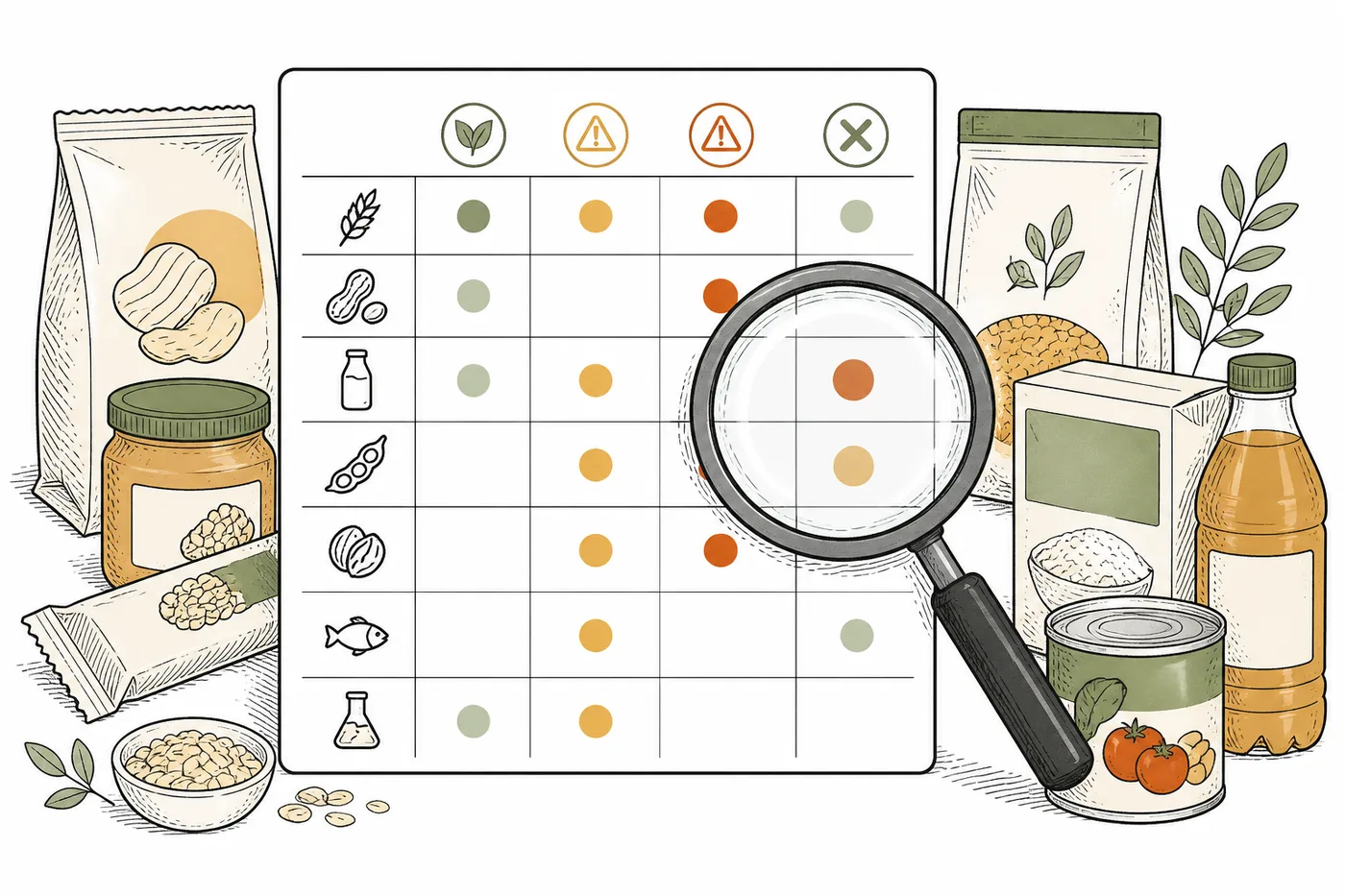
Ingredient risk map
Ingredient notes
Soy
A major ingredient here and a source of protein, but also a common allergen and a sign of a soy-heavy formula.
Colour (150c)
Used to deepen the color of the product. It affects appearance, not nutrition.
Hydrolysed plant protein (soy)
A processed flavor booster that adds savory taste. It is useful in ramen, but it is also a marker of a more industrial recipe.
Anticaking agent [551]
Used to keep powdered ingredients flowing and free of clumps. It is a functional additive rather than a nutrition ingredient.
Bonito fish soup stock
Adds umami flavor and is a fish ingredient, so it matters for anyone avoiding fish or checking allergens.
What to compare in store
- Compare instant ramen with a noodle bowl made from broth, vegetables, and plain protein if you want less processing.
- If you eat ramen often, look for versions with shorter ingredient lists and less reliance on flavor enhancers.
- If you want a quick meal with more balance, pair noodles with vegetables and a separate protein source.
- If you have a soy or fish sensitivity, the ingredient list here deserves a close read.
Better label signals
- The brand publishes ingredients and allergen information, which helps with label reading.
- Bonito stock shows the flavor base is not only artificial additives.
- The product is not a processed meat item.
- Anticaking agent [551] is a common functional additive rather than a major safety concern at normal use levels.
Scan the label before you buy.
Blume reads food labels, flags ingredients, and gives each product a plain-English score so you can compare options in the aisle.
Download BlumeFAQ
Is instant ramen bad for you?
It is usually best as an occasional meal. The main issues are processing, refined noodles, and the way flavor packets can rely on additives and sodium.
Does this ramen contain MSG?
The supplied facts say it contains MSG, and hydrolysed plant protein can also contribute savory flavor. That does not make it unsafe by itself, but it does show the product is heavily seasoned.
Is soy in ramen a problem?
For most people, soy is fine in moderation. It matters most if you have a soy allergy or if you want to limit highly processed soy ingredients.
Sources and method
Product and ingredient signals come from the Blume product database. The label-reading context below is included on every product report so the article stays tied to public food-label rules.
- FDA Daily Value guide: The FDA says 20% DV or more is high and 5% DV or less is low for a nutrient on the Nutrition Facts label.
- FDA ingredient list guide: The FDA explains that ingredients are listed in descending order by weight on food labels.
- FDA major allergen update: Sesame became the ninth major food allergen in the United States on January 1, 2023.
- FAO NOVA classification overview: The NOVA system classifies foods by the extent and purpose of processing.