Alani Nu Energy Drink Rainbow Sherbet can ingredients: what the label says
Alani Nu Energy Drink Rainbow Sherbet can has artificial sweeteners and ultra-processed flavor additives.
Blume score
Low score - energy drink
This report uses Blume product data, ingredient notes, and FDA label-reading rules. It is general shopping context, not medical advice.
Short answer
Energy drink featuring artificial sweetener with added vitamins but ultra-processed flavors.
Answers people search for
is Alani Nu Energy Drink Rainbow Sherbet can healthy
Not really in the usual sense of healthy. The label shows caffeine, sweetener, flavors, and a stabilizer, which makes it more of a processed stimulant drink than a wellness beverage.
Alani Nu Energy Drink Rainbow Sherbet can ingredients
The supplied components are natural flavors, ester gum, acesulfame potassium, biotin, caffeine, added sugars, and calories. The data here does not provide a full ingredient order.
Alani Nu Energy Drink Rainbow Sherbet can nutrition
The facts provided only confirm a 355 mL serving size. Without full nutrition numbers, the clearest takeaway is that this is a flavored energy drink with caffeine and sweetener rather than a nutrient-dense product.
is energy drink bad for your health
It can be if it becomes a habit or if you are sensitive to caffeine. The main issue is usually the stimulant load, especially when energy drinks are used alongside coffee, soda, or pre-workout products.
Why the score landed there
- Moderate-severity natural flavors with little transparency
- Contains low-severity acesulfame potassium sweetener
- Contains multiple forms of biotin (vitamin B7)
- Includes additives for flavor and product texture stability
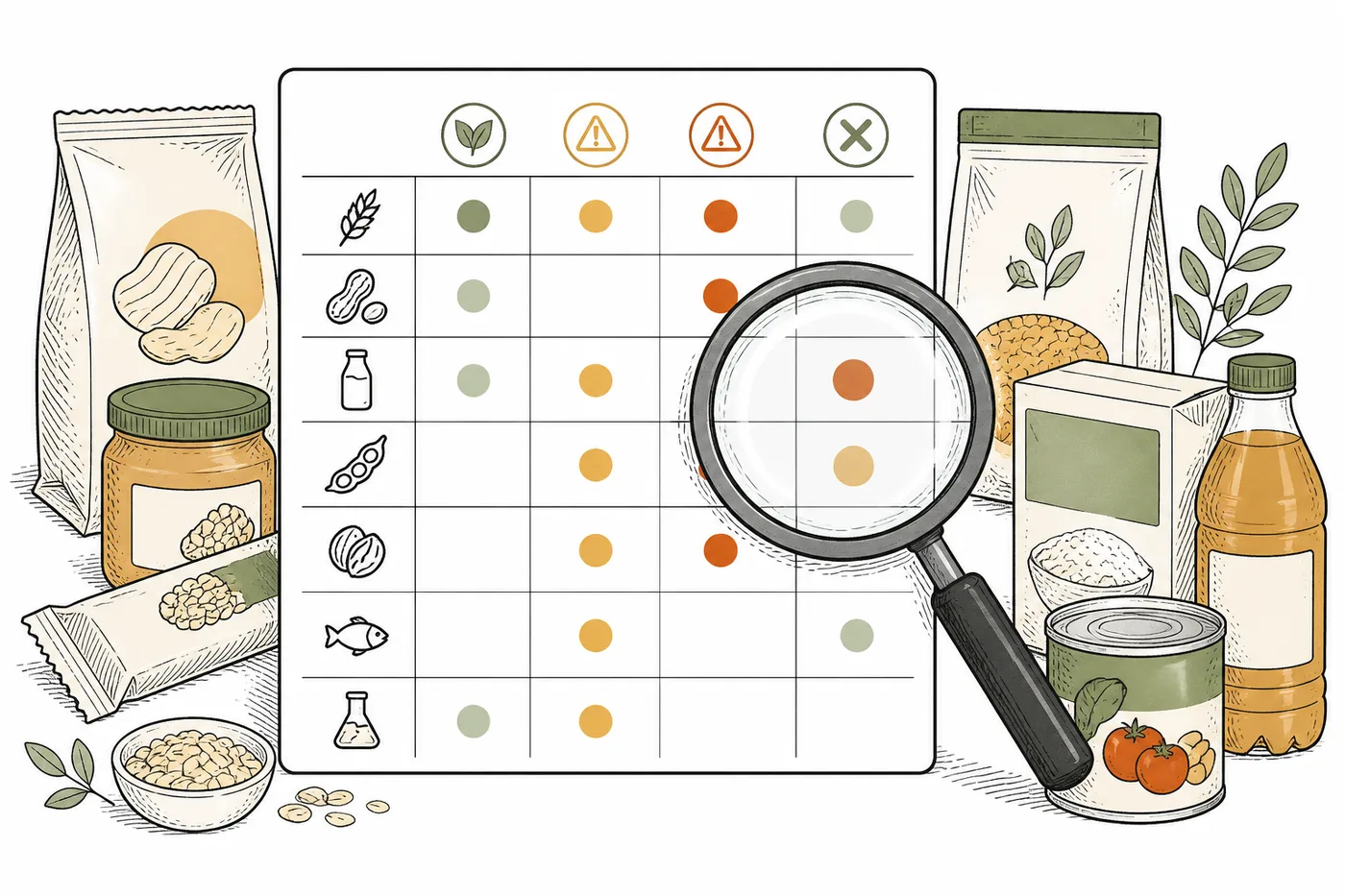
Ingredient risk map
Ingredient notes
Caffeine
This is the main reason the drink feels functional. It can help with alertness, but too much can raise the risk of jitters, sleep disruption, or feeling overstimulated.
Acesulfame Potassium
This sweetener keeps the drink sweet without sugar. Some people are fine with it, while others prefer to avoid non-sugar sweeteners altogether.
Natural Flavors
Flavor compounds are used to shape the taste profile, but the label does not explain exactly what is included. That makes the product harder to evaluate than a simple drink.
Ester Gum
This is a stabilizer used to keep flavor oils mixed evenly. It is there for texture and consistency, not nutrition.
Biotin
Biotin is added as a vitamin, but it does not offset the fact that the product is still mainly a sweetened stimulant drink.
What to compare in store
- If you want a simpler drink, compare it with plain coffee, tea, or sparkling water rather than another flavored energy beverage.
- If you are trying to cut sweeteners, compare brands that use sugar only sparingly or choose unsweetened caffeine sources.
- If you care about processing, compare the number of additives and stabilizers, more than the front label flavor claim.
- If caffeine is your main concern, compare total caffeine per can and how many servings you normally drink in a week.
Better label signals
- Fewer additives is usually a better sign for people trying to keep their drink choices simple.
- Lower caffeine content is better if you want less risk of jitters or sleep issues.
- A shorter sweetener list can be better for people who do not want artificial sweetness.
- Drinks that do not need stabilizers to keep the flavor system together are generally easier to read as everyday beverages.
Scan the label before you buy.
Blume reads food labels, flags ingredients, and gives each product a plain-English score so you can compare options in the aisle.
Download BlumeFAQ
Does this have sugar?
The supplied data includes added sugars, but no amount is shown here. The drink also uses acesulfame potassium, so sweetness is not coming only from sugar.
Is this bad for your heart?
The main thing to watch is caffeine. If you have blood pressure concerns, rhythm issues, or you are sensitive to stimulants, an energy drink is worth treating cautiously.
Is this better than soda?
It is different rather than clearly better. It may have a different nutrient profile, but it is still a processed, sweetened caffeinated drink.
Sources and method
Product and ingredient signals come from the Blume product database. The label-reading context below is included on every product report so the article stays tied to public food-label rules.
- FDA Daily Value guide: The FDA says 20% DV or more is high and 5% DV or less is low for a nutrient on the Nutrition Facts label.
- FDA ingredient list guide: The FDA explains that ingredients are listed in descending order by weight on food labels.
- FDA major allergen update: Sesame became the ninth major food allergen in the United States on January 1, 2023.
- FAO NOVA classification overview: The NOVA system classifies foods by the extent and purpose of processing.