Is Bomb Bar BOMB PROTEIN BAR SALTY PEANUT bad for you? A label-based answer
Bomb Bar BOMB PROTEIN BAR SALTY PEANUT offers high protein but is ultra-processed with moderate saturated fat and additives.
Blume score
Caution score - protein bar
This report uses Blume product data, ingredient notes, and FDA label-reading rules. It is general shopping context, not medical advice.
Short answer
Protein bar with high protein and fiber but also contains additives, moderate to high saturated fat, and is ultra-processed.
Answers people search for
is Bomb Bar BOMB PROTEIN BAR SALTY PEANUT healthy
It can fit as a protein snack, but it is not a clean whole-food bar. The presence of seed oil, added sugars, and flavor additives makes it more processed than ideal.
Bomb Bar BOMB PROTEIN BAR SALTY PEANUT ingredients
The supplied components include sunflower oil, artificial and natural flavors, added sugars, bovine collagen hydrolysate, calcium, calcium caseinate, calories, and cholesterol.
Bomb Bar BOMB PROTEIN BAR SALTY PEANUT nutrition
The data provided shows a 55 g serving size and includes protein-related ingredients such as calcium caseinate and bovine collagen hydrolysate, but it does not give the full nutrition panel amounts.
is protein bar bad for you
Protein bars are not automatically bad, but many are more processed than people expect. This one has several ingredients that would make it a less ideal everyday snack for some buyers.
Why the score landed there
- Rich in proteins (36%) and fiber (5.5%) beneficial for muscle and digestion
- Contains moderate saturated fat and sodium levels, caution for heart health
- Includes multiple additives and artificial flavors reducing natural quality
- Classified NOVA group 4 indicating ultra-processed status
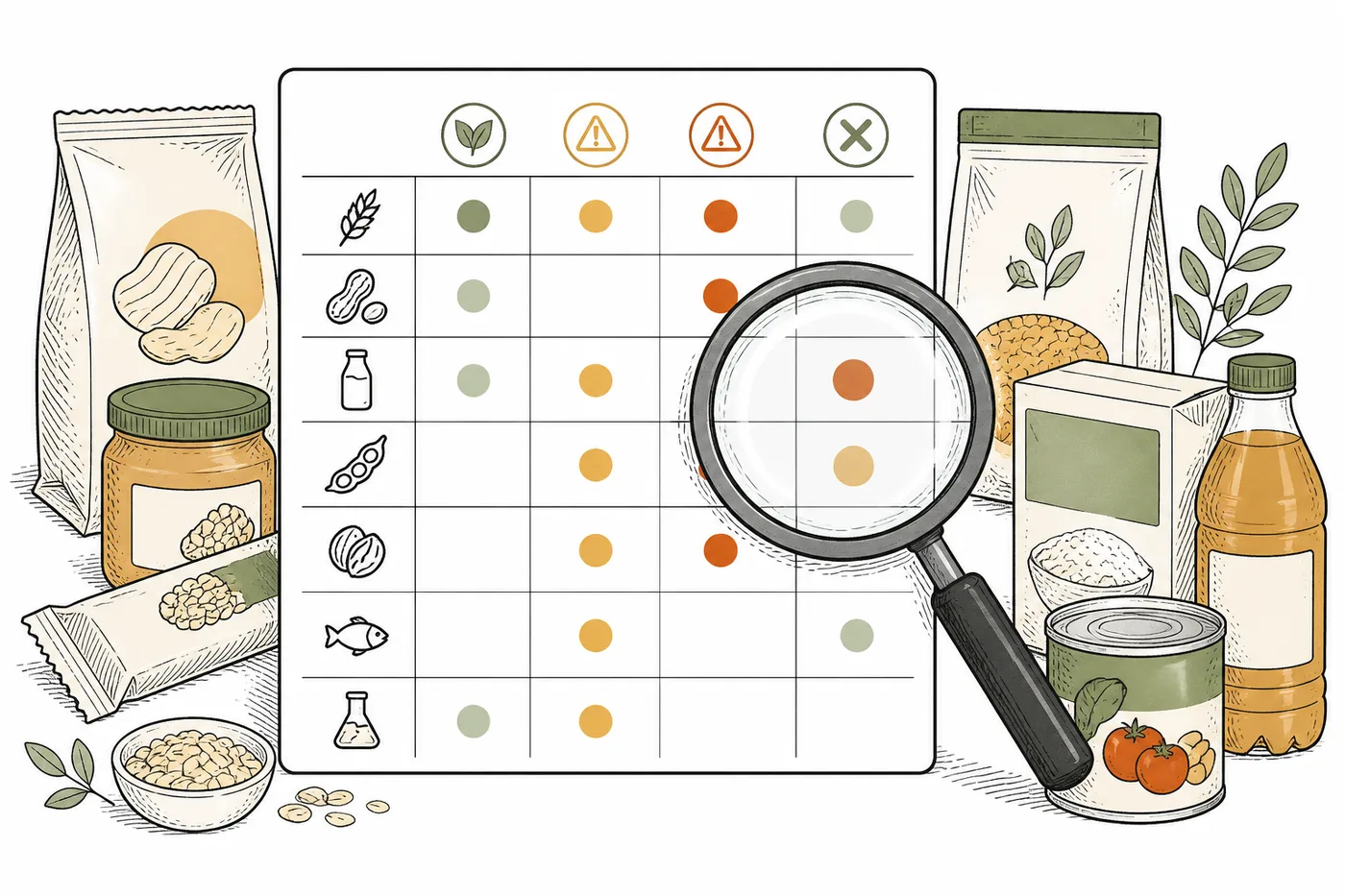
Ingredient risk map
Ingredient notes
Sunflower Oil
This is the biggest concern in the bar. It is a seed oil and is flagged here for its processed nature and oxidative instability.
Artificial and Natural Flavors
These help the bar taste like salted peanut, but they do not add nutrition and they reduce transparency.
Added Sugars
The bar is not sugar-free, so it is less appealing if you are trying to keep sweeteners low.
Bovine Collagen Hydrolysate
This adds protein-related material, but collagen is not the same as a complete muscle-building protein source.
Calcium Caseinate
This is a dairy-derived protein that supports the bar's protein content, but it may not work for people avoiding milk ingredients.
What to compare in store
- If you want a simpler protein bar, compare labels with shorter ingredient lists and fewer added oils.
- If you are choosing for satiety, bars with more straightforward protein sources and less added sugar often feel better as a snack.
- If you avoid dairy, this bar is not a good fit because it includes calcium caseinate.
- If you are comparing protein bars, look beyond the protein number and check whether the rest of the formula is mostly flavoring and added fats.
Better label signals
- A bar made without seed oils would be a stronger sign.
- Less reliance on added sugars would improve its everyday snack appeal.
- Specific ingredients instead of broad flavor blends would make the label more transparent.
- A shorter formula with fewer additives would be easier to compare against other protein bars.
Scan the label before you buy.
Blume reads food labels, flags ingredients, and gives each product a plain-English score so you can compare options in the aisle.
Download BlumeFAQ
Is collagen the main protein here?
The data includes bovine collagen hydrolysate and calcium caseinate. Collagen contributes protein material, but calcium caseinate is also an important protein ingredient in the formula.
Does this count as a clean protein bar?
Not really. It is a protein bar, but sunflower oil, flavor additives, and added sugars make it more processed than a clean-label bar.
Is it suitable for people avoiding dairy?
No, not based on the supplied ingredient data. It contains calcium caseinate, which is milk-derived.
Sources and method
Product and ingredient signals come from the Blume product database. The label-reading context below is included on every product report so the article stays tied to public food-label rules.
- FDA Daily Value guide: The FDA says 20% DV or more is high and 5% DV or less is low for a nutrient on the Nutrition Facts label.
- FDA ingredient list guide: The FDA explains that ingredients are listed in descending order by weight on food labels.
- FDA major allergen update: Sesame became the ninth major food allergen in the United States on January 1, 2023.
- FAO NOVA classification overview: The NOVA system classifies foods by the extent and purpose of processing.