What is in Cocaine Energy Drink Spicy? Ingredients to compare
Cocaine Energy Drink Spicy contains sucralose and multiple preservatives with minimal nutritional value.
Blume score
Very low score - energy drink
This report uses Blume product data, ingredient notes, and FDA label-reading rules. It is general shopping context, not medical advice.
Short answer
Energy drink with sucralose, multiple preservatives, and artificial flavors; highly processed and low nutritional content.
Answers people search for
is Cocaine Energy Drink Spicy healthy
Not especially. The formula relies on sweeteners, sugar, acids, flavors, and preservatives, so it fits more as a processed energy drink than a nutrient-dense beverage.
Cocaine Energy Drink Spicy ingredients
The key label signals here are sucralose, dextrose, natural flavors, citric acid, potassium sorbate, sodium benzoate, and sodium citrate.
Cocaine Energy Drink Spicy nutrition
The provided data does not list full macros or caffeine amount, but it does flag added sugars and several processing-related ingredients that can matter if you drink it often.
is energy drink bad for you
Energy drinks are not automatically bad, but frequent use can be a problem when they bring added sugar, artificial sweeteners, and a highly processed ingredient list.
Why the score landed there
- High-risk sucralose sweetener included
- Multiple moderate-risk preservatives like sodium benzoate present
- Contains moderate-risk natural and artificial flavors
- Lacks fiber and whole food ingredients
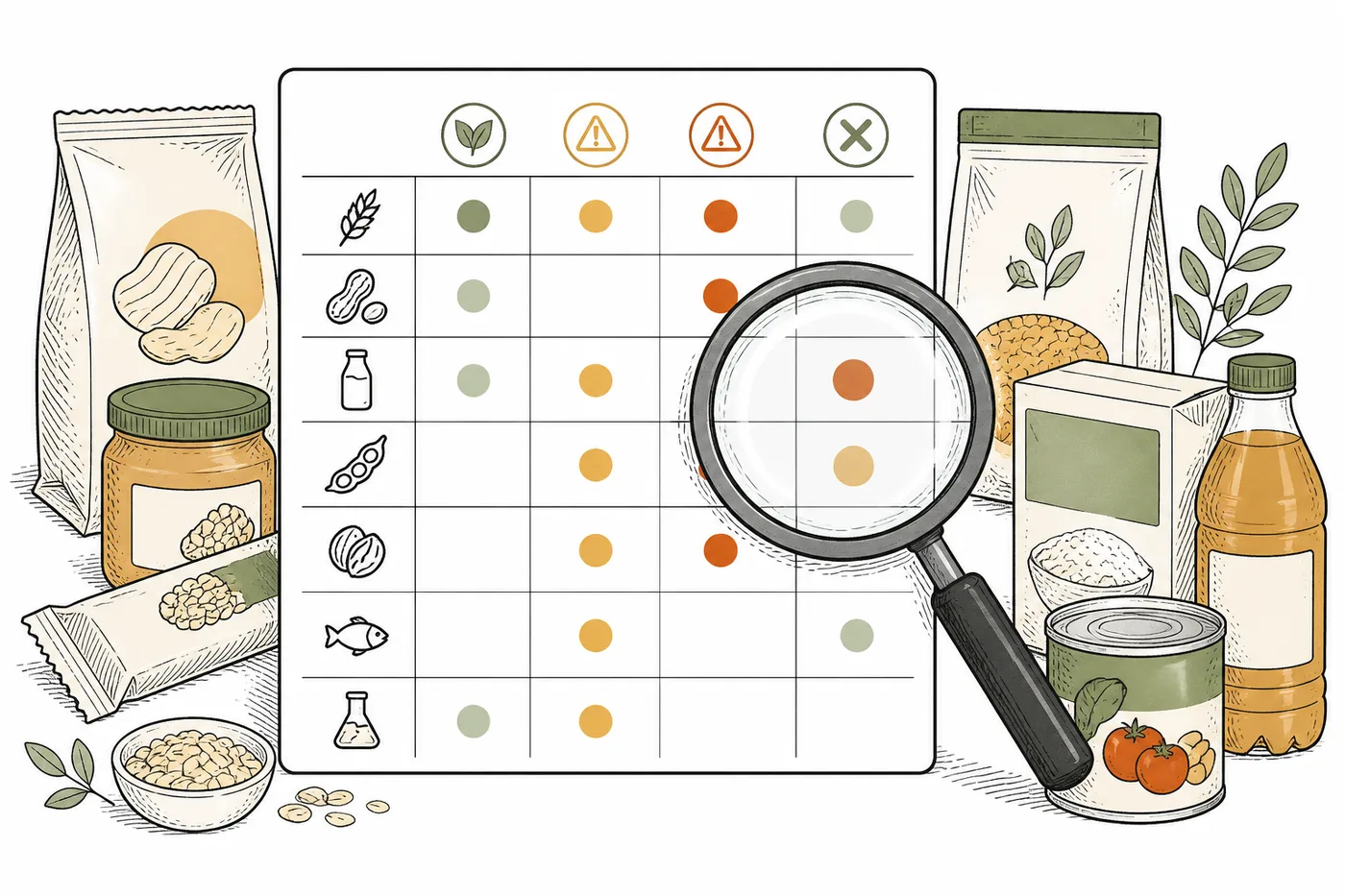
Ingredient risk map
Ingredient notes
Sucralose
A calorie-free artificial sweetener used to replace sugar. It helps lower sugar intake, but some people prefer to limit it because of gut and digestive concerns.
Dextrose
A simple sugar that gives quick energy and sweetness. It can raise blood glucose, so it is the ingredient most likely to matter if you are watching sugar.
Natural Flavors
This usually means a blend made from natural sources, but the label does not spell out the exact mix. That limits transparency.
Potassium Sorbate
A preservative that helps prevent mold and yeast growth. It is common in drinks with a longer shelf life.
Sodium Benzoate
Another preservative used to slow microbial growth. It is widely used, but people who prefer simpler labels often look for products without it.
What to compare in store
- Compare it with other energy drinks by looking first at added sugar and sweetener type, more than the front label.
- If you want less label complexity, choose a drink with fewer preservatives and fewer flavor additives.
- If you are sensitive to sweeteners, check whether the product uses sucralose before you buy.
- If you drink energy beverages often, compare serving size and how much sugar they deliver per can rather than per brand name.
Better label signals
- Lower added sugar or no added sugar.
- Fewer preservatives in the ingredient list.
- Clearer disclosure on flavoring and sweetener choices.
- A shorter ingredient list with fewer ultra-processed markers.
Scan the label before you buy.
Blume reads food labels, flags ingredients, and gives each product a plain-English score so you can compare options in the aisle.
Download BlumeFAQ
Does this energy drink count as healthy?
Based on the ingredient list, it does not read as a health-focused drink. It is better viewed as a processed energy beverage for occasional use.
What ingredients should I pay attention to most?
Sucralose, dextrose, natural flavors, sodium benzoate, and potassium sorbate stand out most on this label.
Why is the score only mixed?
The score reflects a mix of lower-risk ingredients and more processed features like sweeteners, added sugar, and preservatives.
Sources and method
Product and ingredient signals come from the Blume product database. The label-reading context below is included on every product report so the article stays tied to public food-label rules.
- FDA Daily Value guide: The FDA says 20% DV or more is high and 5% DV or less is low for a nutrient on the Nutrition Facts label.
- FDA ingredient list guide: The FDA explains that ingredients are listed in descending order by weight on food labels.
- FDA major allergen update: Sesame became the ninth major food allergen in the United States on January 1, 2023.
- FAO NOVA classification overview: The NOVA system classifies foods by the extent and purpose of processing.