Cold Stone Creamery Ice Cream nutrition review: score, additives, and swaps
Cold Stone Creamery Ice Cream contains emulsifiers and sugars, with an ultra-processed profile and moderate fats.
Blume score
Very low score - cream
This report uses Blume product data, ingredient notes, and FDA label-reading rules. It is general shopping context, not medical advice.
Short answer
Processed ice cream with emulsifiers, sugars, and additives; moderate saturated fat and sugar levels, ultra-processed.
Answers people search for
Is Cold Stone Creamery Ice Cream healthy?
Cold Stone Creamery Ice Cream scores 20/100 in Blume, which puts it in the very low range. That does not mean one serving is dangerous, but it does mean the label has tradeoffs worth comparing.
Cold Stone Creamery Ice Cream ingredients?
The ingredients worth slowing down for are Polysorbate 80, Added Sugars, Calcium, Calories. Scan the full label because ingredient order and serving size can change how the product fits your diet.
Cold Stone Creamery Ice Cream nutrition label?
Use the Nutrition Facts panel as the tie-breaker. The FDA's 5% and 20% Daily Value rule is a useful shortcut: 5% DV is low, while 20% DV is high for a nutrient.
Cold Stone Creamery Ice Cream calories and sugar?
Use the Nutrition Facts panel as the tie-breaker. The FDA's 5% and 20% Daily Value rule is a useful shortcut: 5% DV is low, while 20% DV is high for a nutrient.
Why the score landed there
- Emulsifiers like polysorbate 80 present with potential irritation risk
- Added sugars and cocoa processed with alkali increase sugar and reduce antioxidants
- Contains fiber additives but overall low in natural components
- Ultra-processed with multiple additive stabilizers
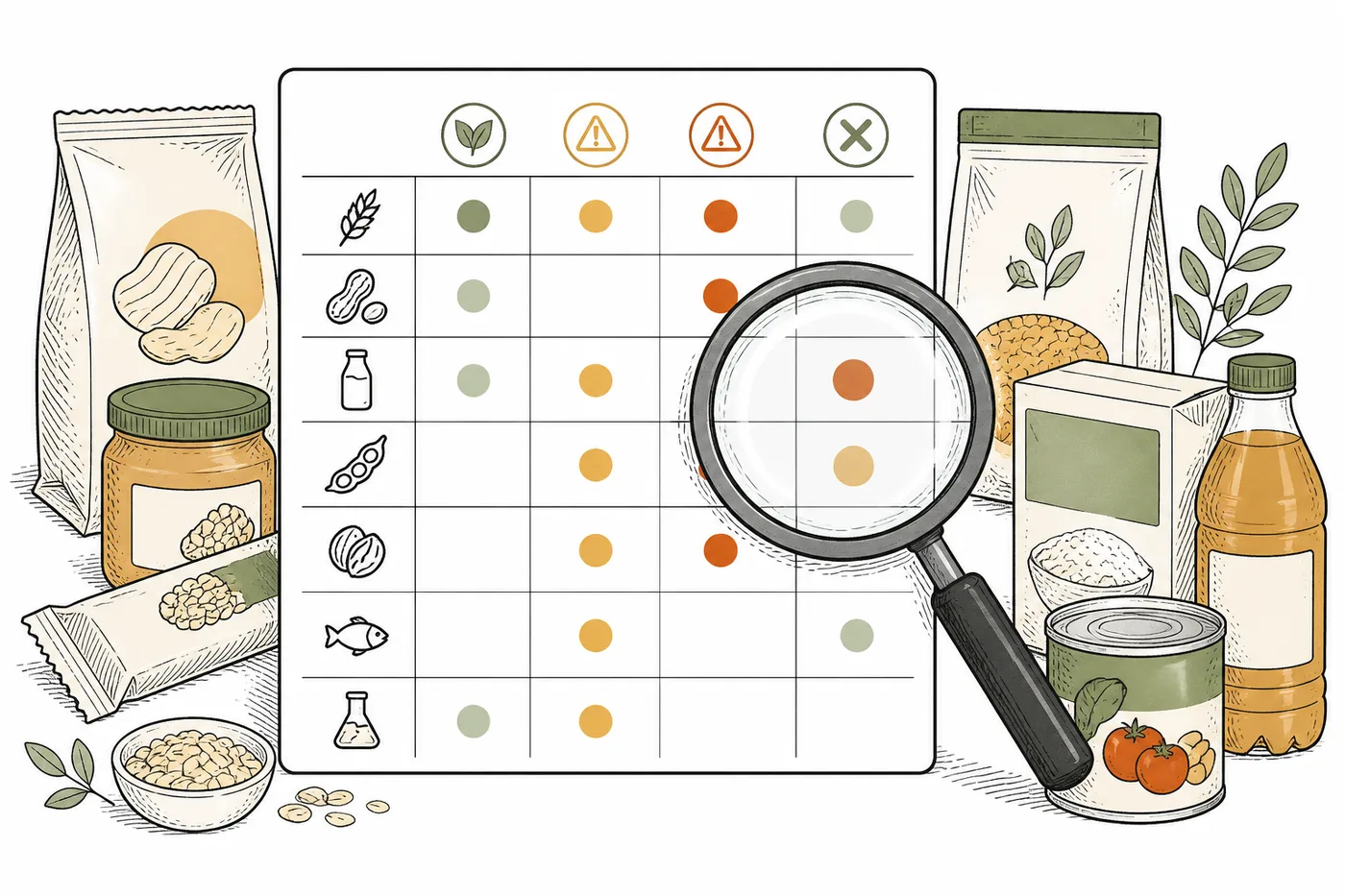
Ingredient risk map
Ingredient notes
polysorbate 80
This emulsifier helps keep oil and water mixed so the ice cream stays smooth and stable.
carrageenan
This stabilizer supports texture and helps prevent separation, but some people prefer to limit it if they are sensitive to gums.
cellulose gum
This ingredient improves thickness and structure. It is a functional additive rather than a source of nutrition.
cocoa processed with alkali
Dutch processing makes cocoa less acidic and darker in color, but it also lowers some of the natural flavonoids found in untreated cocoa.
added sugars
Ice cream usually contains sugar, but this still adds to the dessert's total sweetness and calorie load.
What to compare in store
- Compare this with simpler ice creams that use fewer stabilizers and emulsifiers.
- If you want a more straightforward dessert, look for labels with shorter ingredient lists and fewer gums.
- If cocoa flavor matters, compare products that use less processed cocoa.
- If you are limiting added sugar, check the serving size carefully before choosing a premium ice cream.
Better label signals
- Fewer emulsifiers would be a cleaner signal.
- Less reliance on gums and stabilizers would be preferable.
- A shorter ingredient list would suggest a simpler product.
- Less processed cocoa would preserve more of cocoa's natural character.
Scan the label before you buy.
Blume reads food labels, flags ingredients, and gives each product a plain-English score so you can compare options in the aisle.
Download BlumeFAQ
Is the butterfat level the main reason for the Very low score?
No. The richer fat level matters, but the bigger issue is the use of emulsifiers, stabilizers, and added sugars in a highly processed dessert formula.
What does cocoa processed with alkali mean?
It means the cocoa has been treated to reduce acidity and change flavor and color. That can make it taste smoother, but it also changes the cocoa's natural profile.
Are carrageenan and cellulose gum unusual in ice cream?
They are common in processed ice cream because they help with texture and stability. Their presence is not unusual, but it does signal a more engineered product.
Sources and method
Product and ingredient signals come from the Blume product database. The label-reading context below is included on every product report so the article stays tied to public food-label rules.
- FDA Daily Value guide: The FDA says 20% DV or more is high and 5% DV or less is low for a nutrient on the Nutrition Facts label.
- FDA ingredient list guide: The FDA explains that ingredients are listed in descending order by weight on food labels.
- FDA major allergen update: Sesame became the ninth major food allergen in the United States on January 1, 2023.
- FAO NOVA classification overview: The NOVA system classifies foods by the extent and purpose of processing.