Kaged Clean Meal Meal Replacement Vanilla Cake nutrition review: score, additives, and swaps
Kaged Clean Meal Meal Replacement Vanilla Cake features artificial sweeteners and minimal whole-food ingredients.
Blume score
Low score - protein powder
This report uses Blume product data, ingredient notes, and FDA label-reading rules. It is general shopping context, not medical advice.
Short answer
Low in real food ingredients, contains artificial sweeteners and sucralose; moderate complexity with some vitamins.
Answers people search for
is Kaged Clean Meal Meal Replacement Vanilla Cake healthy
It depends on what you want from a meal replacement. The product is designed for convenience, but the ingredient list includes sucralose and natural flavor, so it is not a simple whole-food option.
Kaged Clean Meal Meal Replacement Vanilla Cake ingredients
The product data highlights sucralose, natural flavor, steviol glycosides, added sugars, biotin, calcium, calories, and cholesterol.
Kaged Clean Meal Meal Replacement Vanilla Cake nutrition
The available data does not provide full macro totals. The main label signal is the use of multiple sweeteners in a meal replacement format.
is protein powder bad for you
Protein powders are not automatically bad for you. What matters is the ingredient list, how processed the product is, and whether it fits your digestion and goals.
Why the score landed there
- Uses sucralose, an artificial sweetener with debated safety
- Contains natural flavors with possible solvents and unknown additives
- Includes steviol glycosides as a low-risk sweetener alternative
- Lacks fiber and whole-food ingredients, relies on additives
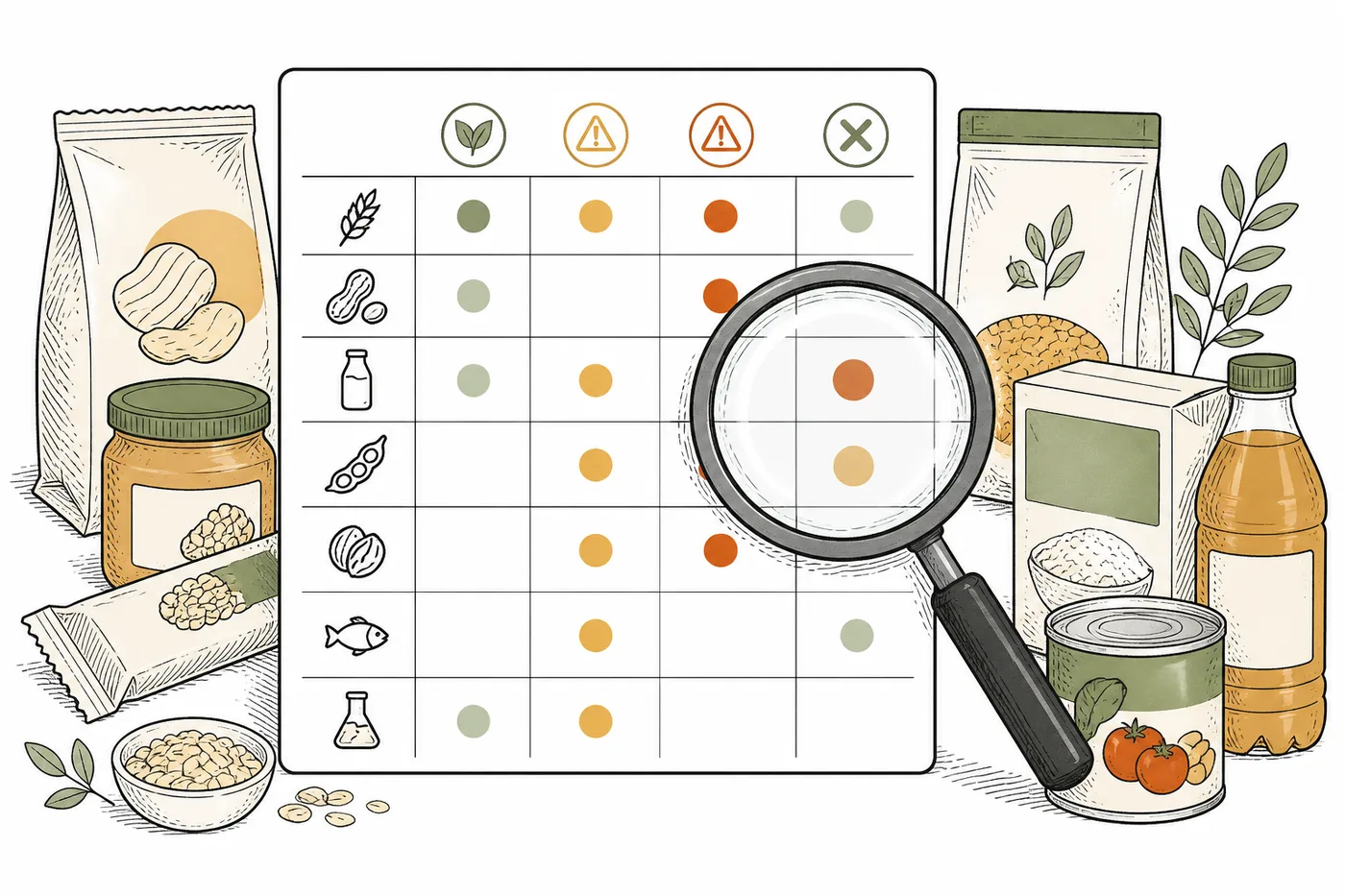
Ingredient risk map
Ingredient notes
Sucralose
This is the biggest ingredient flag in the formula. It provides sweetness without calories, but some people prefer to avoid non-sugar sweeteners.
Natural flavor
This improves taste, but it is vague on the label and does not add nutritional value.
Steviol glycosides
This is another non-caloric sweetener. It is a lower-concern ingredient than sucralose for many shoppers, but it still shows the product is sweetened heavily.
Added Sugars
The presence of added sugars means this is not a purely unsweetened shake base.
Biotin
This is a vitamin ingredient rather than a concern, but it does not change the fact that the product is still sweetener-led.
What to compare in store
- Compare it with meal replacements that use fewer sweeteners overall.
- If you are sensitive to sweeteners, choose a powder with a simpler ingredient panel.
- For a more filling option, compare protein plus fiber content on the label rather than taste claims.
- If you use meal replacements often, look for one that fits your digestion as well as your calorie target.
Better label signals
- No sucralose on the label.
- Fewer sweeteners overall.
- A clearer ingredient list with less reliance on natural flavor.
- More visible whole-food ingredients or fewer processing aids.
Scan the label before you buy.
Blume reads food labels, flags ingredients, and gives each product a plain-English score so you can compare options in the aisle.
Download BlumeFAQ
Is this a protein powder or a meal replacement?
The product is presented as a meal replacement, so it is meant to do more than a basic protein powder.
Why is sucralose a concern here?
Sucralose is a non-caloric sweetener. Some people avoid it because they prefer simpler formulas or notice digestive sensitivity.
Can I use it every day?
That depends on your preferences and tolerance. If you want a more natural-style formula, the sweetener profile may not be the best fit.
Sources and method
Product and ingredient signals come from the Blume product database. The label-reading context below is included on every product report so the article stays tied to public food-label rules.
- FDA Daily Value guide: The FDA says 20% DV or more is high and 5% DV or less is low for a nutrient on the Nutrition Facts label.
- FDA ingredient list guide: The FDA explains that ingredients are listed in descending order by weight on food labels.
- FDA major allergen update: Sesame became the ninth major food allergen in the United States on January 1, 2023.
- FAO NOVA classification overview: The NOVA system classifies foods by the extent and purpose of processing.