What is in Light + Fit Creamy Strawberry Cheesecake Flavored Non-Greek Yogurt tub? Ingredients to compare
Light + Fit Creamy Strawberry Cheesecake Yogurt uses artificial sweeteners and flavors, lowering health score.
Blume score
Very low score - yogurt
This report uses Blume product data, ingredient notes, and FDA label-reading rules. It is general shopping context, not medical advice.
Short answer
Sweetened yogurt with artificial sweeteners and flavors decreases healthfulness.
Answers people search for
Is Light + Fit Creamy Strawberry Cheesecake Flavored Non-Greek Yogurt tub healthy?
Light + Fit Creamy Strawberry Cheesecake Flavored Non-Greek Yogurt tub scores 20/100 in Blume, which puts it in the very low range. That does not mean one serving is dangerous, but it does mean the label has tradeoffs worth comparing.
Light + Fit Creamy Strawberry Cheesecake Flavored Non-Greek Yogurt tub ingredients?
The ingredients worth slowing down for are Sucralose, Acesulfame Potassium, Less Than 1%: Natural & Artificial Flavors, Potassium Sorbate (To Maintain Freshness). Scan the full label because ingredient order and serving size can change how the product fits your diet.
Light + Fit Creamy Strawberry Cheesecake Flavored Non-Greek Yogurt tub nutrition label?
Use the Nutrition Facts panel as the tie-breaker. The FDA's 5% and 20% Daily Value rule is a useful shortcut: 5% DV is low, while 20% DV is high for a nutrient.
Light + Fit Creamy Strawberry Cheesecake Flavored Non-Greek Yogurt tub calories and sugar?
Use the Nutrition Facts panel as the tie-breaker. The FDA's 5% and 20% Daily Value rule is a useful shortcut: 5% DV is low, while 20% DV is high for a nutrient.
Why the score landed there
- High-impact sweeteners sucralose and acesulfame potassium used.
- Contains natural and artificial flavors, lacking transparency.
- Use of potassium sorbate preservative indicates processing.
- No fiber, moderate protein; typical of flavored yogurts but sweeteners reduce score.
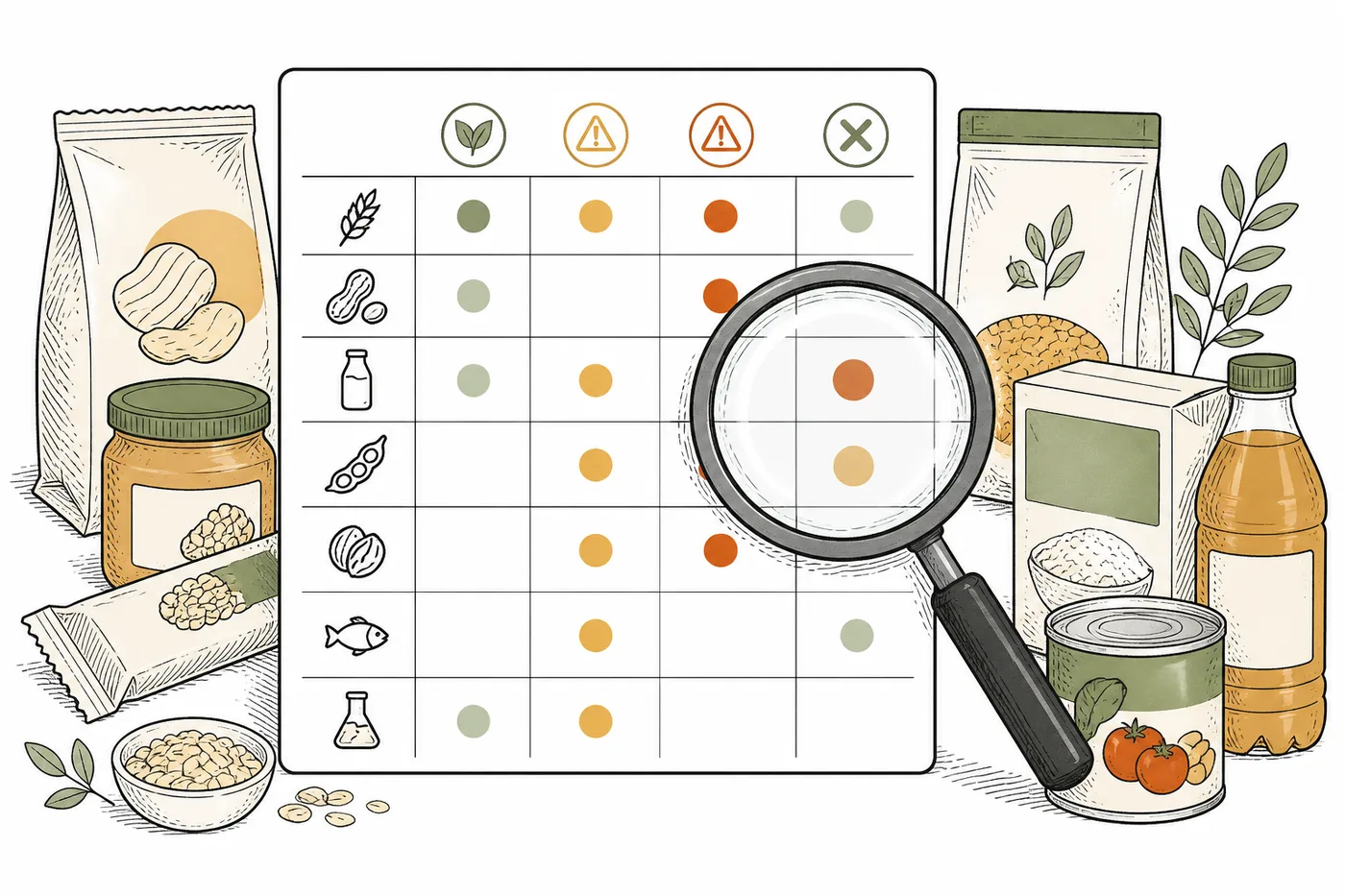
Ingredient risk map
Ingredient notes
Sucralose
This is the main sweetener in the product. It delivers sweetness without calories, but it is still an artificial sweetener that some people prefer to limit.
Acesulfame Potassium
This adds more non-caloric sweetness. It is common in diet-style foods, but it also makes the formula more reliant on sweeteners.
Natural & Artificial Flavors
This can help the strawberry cheesecake profile taste more complete, but it does not tell you much about the exact flavor compounds used.
Potassium Sorbate
This preservative helps maintain freshness by limiting mold and yeast growth. It is a standard shelf-life tool, not a nutritional benefit.
Active Yogurt Cultures L. Bulgaricus & S. Thermophilus
These are the starter cultures used to ferment yogurt. They are one of the more straightforward parts of the label.
What to compare in store
- Compare it with plain or lightly sweetened yogurts if you want fewer added sweeteners.
- Compare the label against other low-calorie flavored yogurts, since many use a similar sweetener system.
- If you care most about ingredient simplicity, a short-ingredient plain yogurt will usually look very different from this one.
- If taste matters more than label simplicity, check whether other brands rely on fewer additives or just a different sweetener blend.
Better label signals
- Live yogurt cultures are present.
- Calcium is listed.
- The product is nonfat, which may matter if you are watching fat intake.
- Black carrot juice is used for color instead of synthetic dye.
Scan the label before you buy.
Blume reads food labels, flags ingredients, and gives each product a plain-English score so you can compare options in the aisle.
Download BlumeFAQ
Does this yogurt contain added sugar?
Yes, added sugars are listed, even though the product is also sweetened with sucralose and acesulfame potassium.
Is the yogurt made with live cultures?
Yes. The label lists active yogurt cultures, including L. bulgaricus and S. thermophilus.
What is the biggest label concern here?
The biggest concern is the heavy use of artificial sweeteners and flavor additives rather than a more simple yogurt recipe.
Sources and method
Product and ingredient signals come from the Blume product database. The label-reading context below is included on every product report so the article stays tied to public food-label rules.
- FDA Daily Value guide: The FDA says 20% DV or more is high and 5% DV or less is low for a nutrient on the Nutrition Facts label.
- FDA ingredient list guide: The FDA explains that ingredients are listed in descending order by weight on food labels.
- FDA major allergen update: Sesame became the ninth major food allergen in the United States on January 1, 2023.
- FAO NOVA classification overview: The NOVA system classifies foods by the extent and purpose of processing.