Before you buy Mike's Mighty Good Craft Ramen Organic Ramen Noodles Chicken Bone Broth Ramen Soup, read these
Mike's Mighty Good Craft Ramen Organic Chicken Bone Broth combines organic protein with processed additives.
Blume score
Low score - canned goods
This report uses Blume product data, ingredient notes, and FDA label-reading rules. It is general shopping context, not medical advice.
Short answer
Organic chicken bone broth ramen appears better but contains soy, wheat gluten, and natural flavor additives.
Answers people search for
Is Mike's Mighty Good Craft Ramen Organic Ramen Noodles Chicken Bone Broth Ramen Soup healthy?
Mike's Mighty Good Craft Ramen Organic Ramen Noodles Chicken Bone Broth Ramen Soup scores 22/100 in Blume, which puts it in the low range. That does not mean one serving is dangerous, but it does mean the label has tradeoffs worth comparing.
Mike's Mighty Good Craft Ramen Organic Ramen Noodles Chicken Bone Broth Ramen Soup ingredients?
The ingredients worth slowing down for are Soybean, Natural flavors, Wheat Gluten, Added Sugars. Scan the full label because ingredient order and serving size can change how the product fits your diet.
Mike's Mighty Good Craft Ramen Organic Ramen Noodles Chicken Bone Broth Ramen Soup nutrition label?
Use the Nutrition Facts panel as the tie-breaker. The FDA's 5% and 20% Daily Value rule is a useful shortcut: 5% DV is low, while 20% DV is high for a nutrient.
Mike's Mighty Good Craft Ramen Organic Ramen Noodles Chicken Bone Broth Ramen Soup calories and sugar?
Use the Nutrition Facts panel as the tie-breaker. The FDA's 5% and 20% Daily Value rule is a useful shortcut: 5% DV is low, while 20% DV is high for a nutrient.
Why the score landed there
- Presence of soy with allergen and endocrine concerns
- Use of wheat gluten allergen and potential irritant
- Inclusion of natural flavors with opaque processing
- Contains animal-based ingredients and bone broth for protein
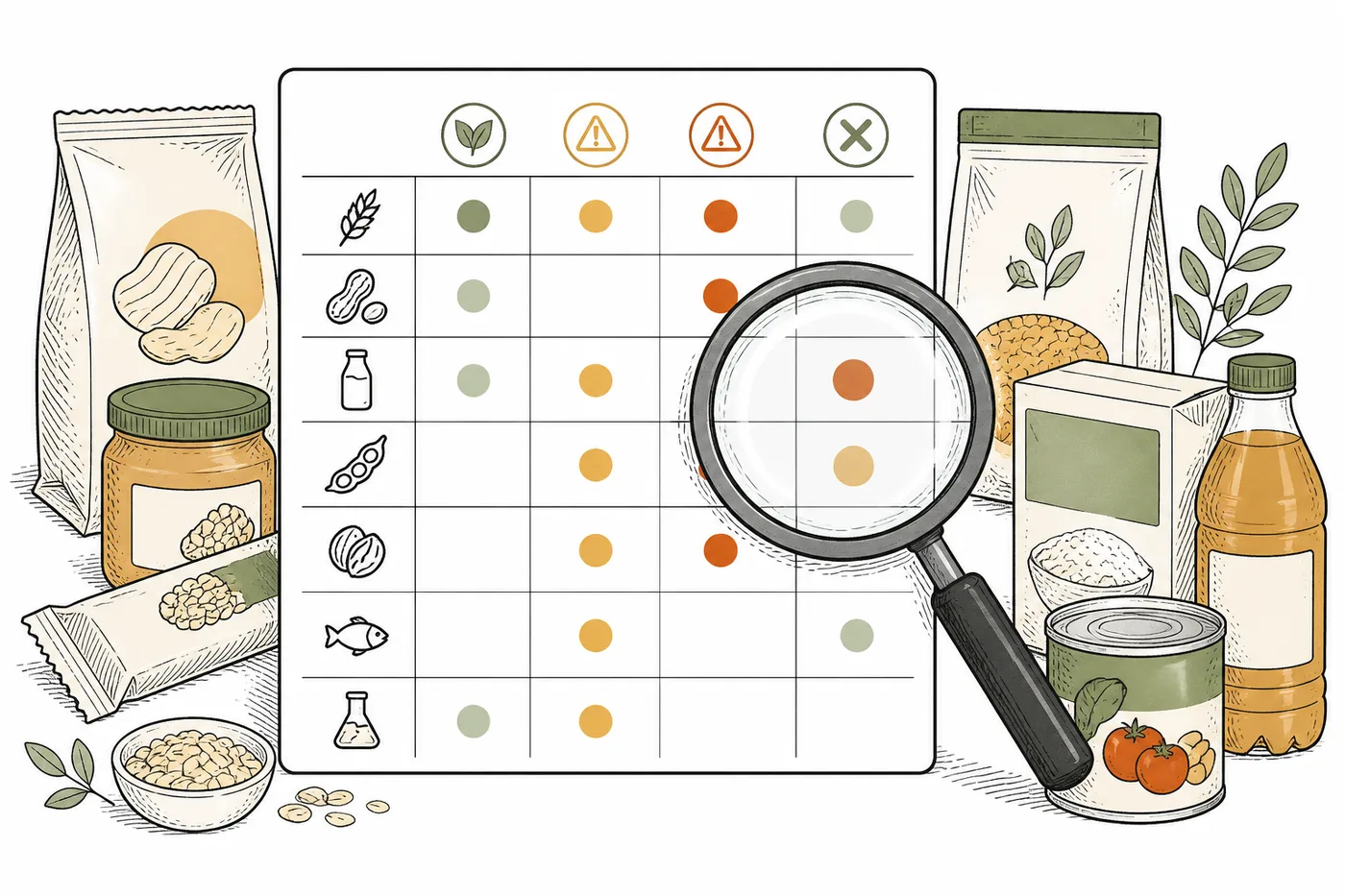
Ingredient risk map
Ingredient notes
Soybean
Soybean is used as an ingredient and protein source here, but it also raises allergen concerns for some people. It is a functional food ingredient, more than a garnish.
Natural flavors
These ingredients help build the final taste, but they do not give much transparency about source or composition.
Wheat Gluten
Wheat gluten improves texture and structure, but it is important for people with wheat allergy or celiac disease to notice.
Chicken
Chicken gives the product a more animal-based protein signal. The label data does not provide details about sourcing or raising practices.
Chicken Bone Broth
This ingredient can add broth character and some nutrient value. It is still part of a packaged ramen formula, so it should be read in that context.
What to compare in store
- Compare this with plain broth-based soups if you want fewer texture-building ingredients.
- If allergens matter, check for soy and wheat before choosing any ramen.
- Look for noodle soups that rely less on natural flavors and more on straightforward broth ingredients.
- When comparing packaged soups, a shorter list often means less formulation work in the bowl.
Better label signals
- A shorter soup ingredient list.
- Clear allergen information with fewer major allergens overall.
- More whole-food broth ingredients and fewer flavoring agents.
- Less reliance on wheat gluten for texture.
Scan the label before you buy.
Blume reads food labels, flags ingredients, and gives each product a plain-English score so you can compare options in the aisle.
Download BlumeFAQ
Is the chicken bone broth the best part of the label?
It is one of the more food-like ingredients on the list, but it appears alongside several processed and allergen-relevant ingredients.
Why is wheat gluten an issue?
It can be a concern for anyone avoiding wheat or gluten. It also signals a texture-focused formulation.
Does organic in the name guarantee a clean label?
No. The ingredient data still matters, and this product includes several processed components.
Sources and method
Product and ingredient signals come from the Blume product database. The label-reading context below is included on every product report so the article stays tied to public food-label rules.
- FDA Daily Value guide: The FDA says 20% DV or more is high and 5% DV or less is low for a nutrient on the Nutrition Facts label.
- FDA ingredient list guide: The FDA explains that ingredients are listed in descending order by weight on food labels.
- FDA major allergen update: Sesame became the ninth major food allergen in the United States on January 1, 2023.
- FAO NOVA classification overview: The NOVA system classifies foods by the extent and purpose of processing.