Nissin Top Ramen Bachan's BBQ Beef Roasted Garlic Ramen Noodle Soup: Hydrolyzed Soy Protein and other
Nissin Top Ramen Bachan's BBQ Beef Roasted Garlic Ramen Noodle Soup is ultra-processed with soy proteins and palm oil.
Blume score
Very low score - canned goods
This report uses Blume product data, ingredient notes, and FDA label-reading rules. It is general shopping context, not medical advice.
Short answer
Highly processed ramen with soy protein hydrolysates and additives; high sodium likely; poor nutrient density.
Answers people search for
Is Nissin Top Ramen Bachan's BBQ Beef Roasted Garlic Ramen Noodle Soup healthy?
Nissin Top Ramen Bachan's BBQ Beef Roasted Garlic Ramen Noodle Soup scores 8/100 in Blume, which puts it in the very low range. That does not mean one serving is dangerous, but it does mean the label has tradeoffs worth comparing.
Nissin Top Ramen Bachan's BBQ Beef Roasted Garlic Ramen Noodle Soup ingredients?
The ingredients worth slowing down for are Hydrolyzed Soy Protein, Soybean, Natural flavor, Palm Oil. Scan the full label because ingredient order and serving size can change how the product fits your diet.
Nissin Top Ramen Bachan's BBQ Beef Roasted Garlic Ramen Noodle Soup nutrition label?
Use the Nutrition Facts panel as the tie-breaker. The FDA's 5% and 20% Daily Value rule is a useful shortcut: 5% DV is low, while 20% DV is high for a nutrient.
Nissin Top Ramen Bachan's BBQ Beef Roasted Garlic Ramen Noodle Soup calories and sugar?
Use the Nutrition Facts panel as the tie-breaker. The FDA's 5% and 20% Daily Value rule is a useful shortcut: 5% DV is low, while 20% DV is high for a nutrient.
Why the score landed there
- Contains multiple high severity soy-derived proteins
- Includes palm oil with environmental and health concerns
- Artificial flavor complexes and preservatives present
- Likely high sodium and ultra-processed convenience food
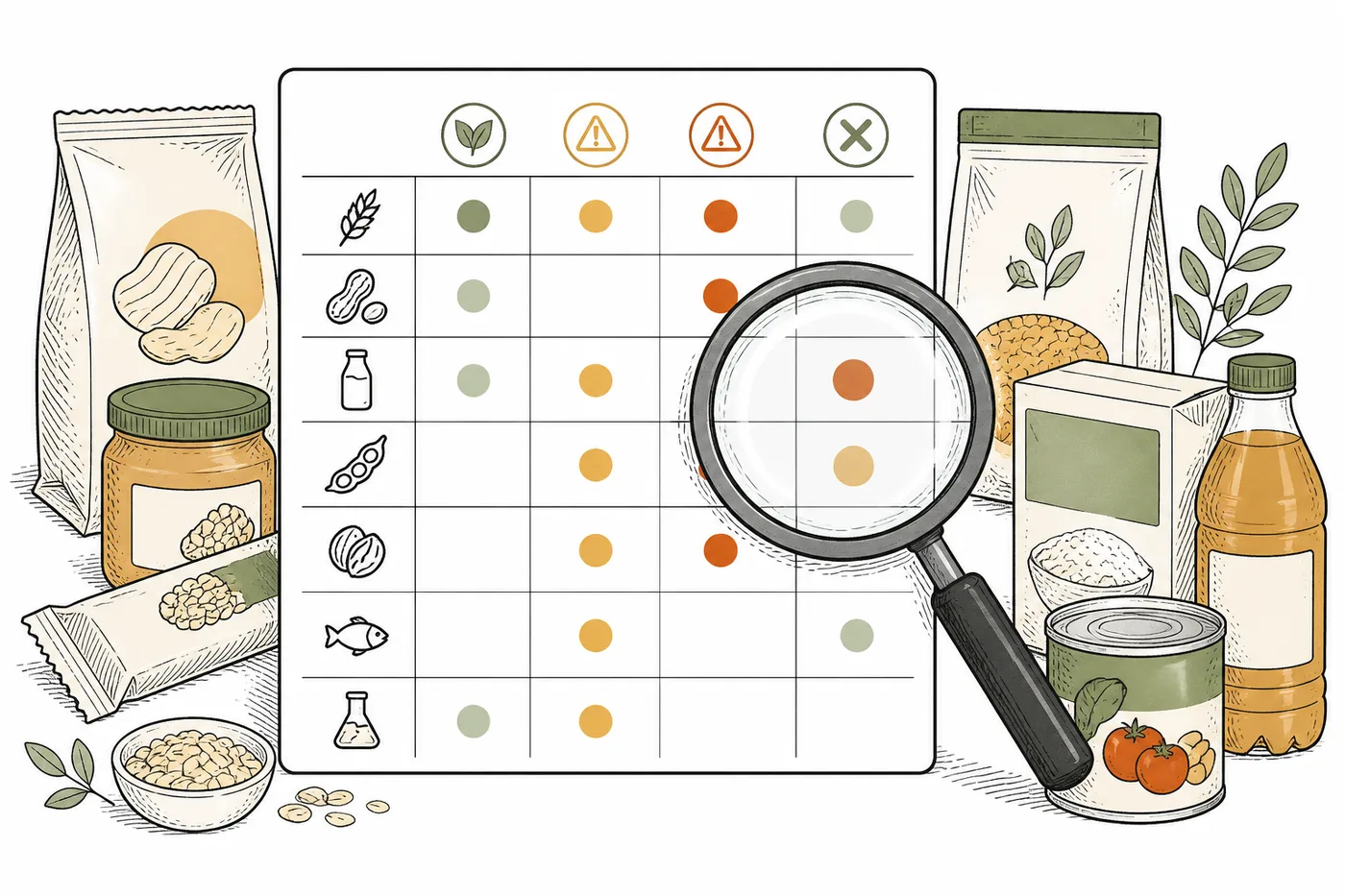
Ingredient risk map
Ingredient notes
Hydrolyzed Soy Protein
This ingredient is used to intensify savory flavor and add protein components. It is a marker of a formulated soup base rather than a broth made from scratch.
Soybean
Soybean ingredients can provide plant protein, but in instant ramen they are usually part of a processed flavor system.
Natural flavor
This adds taste with limited transparency. It is common in packaged soups and noodles.
Palm Oil
Used for texture and shelf stability. It is a processed fat source and can raise the saturated fat content of the product.
Potassium sorbate
This preservative helps prevent mold and yeast growth, which extends shelf life but also signals a more processed food.
What to compare in store
- If you want a better soup, compare this with broth-based soups that list vegetables, protein, and seasonings more plainly.
- Instant ramen usually becomes a less processed choice when the ingredient list is shorter and the sodium and additive load is lower.
- Look for noodles and broth with fewer flavor enhancers and preservatives.
- A soup with real vegetables or a clear protein source will usually be closer to a meal than a standard ramen cup.
Better label signals
- A broth or stock base instead of mostly flavor enhancers.
- Real vegetables or a clear protein source near the top of the list.
- Fewer preservatives and fewer texture-adjusting additives.
- Shorter ingredient list with recognizable soup ingredients.
Scan the label before you buy.
Blume reads food labels, flags ingredients, and gives each product a plain-English score so you can compare options in the aisle.
Download BlumeFAQ
Is instant ramen always a poor choice?
Not always, but this one is very processed. The ingredient mix leans heavily on flavor enhancers, soy derivatives, and preservatives.
What does hydrolyzed soy protein do?
It boosts savory flavor and contributes protein fragments. In products like this, it is usually there for taste support.
What would make a ramen product easier to trust?
A shorter list, more whole-food ingredients, and fewer flavor enhancers and preservatives would be better signals.
Sources and method
Product and ingredient signals come from the Blume product database. The label-reading context below is included on every product report so the article stays tied to public food-label rules.
- FDA Daily Value guide: The FDA says 20% DV or more is high and 5% DV or less is low for a nutrient on the Nutrition Facts label.
- FDA ingredient list guide: The FDA explains that ingredients are listed in descending order by weight on food labels.
- FDA major allergen update: Sesame became the ninth major food allergen in the United States on January 1, 2023.
- FAO NOVA classification overview: The NOVA system classifies foods by the extent and purpose of processing.