Is Pure Protein Chocolate Peanut Butter healthy? Ingredients and Blume score
Pure Protein Chocolate Peanut Butter bar has good protein but includes sweeteners and saturated fats.
Blume score
Low score - protein powder
This report uses Blume product data, ingredient notes, and FDA label-reading rules. It is general shopping context, not medical advice.
Short answer
Protein bar with some quality protein sources but high processing, artificial sweeteners, and saturated fats reduce score.
Answers people search for
is Pure Protein Chocolate Peanut Butter healthy
It can fit into a high-protein diet, but it is not a simple or minimally processed option. The score is very low because the formula relies on sweeteners and processed fats, more than protein ingredients.
Pure Protein Chocolate Peanut Butter ingredients
The main ingredients flagged here are sucralose, fractionated palm kernel oil, maltitol syrup, natural flavor, soy protein isolate, almond butter, and calcium carbonate.
pure protein chocolate peanut butter nutrition facts
The supplied data does not include full Nutrition Facts values. What stands out from the label data is the ingredient profile, especially the use of sucralose, maltitol syrup, and fractionated palm kernel oil.
pure protein chocolate peanut butter calories
The exact calories are not provided in the supplied data. If you are checking this product, the ingredient list gives a clearer picture than calories alone, since the formula includes several processed sweeteners and fats.
Why the score landed there
- Contains sucralose and maltitol syrup as sweeteners
- Fractionated palm kernel oil high in saturated fat and processed
- Soy protein isolate and almond butter add quality protein and fats
- Moderate saturated fat and salt content with low sugar level
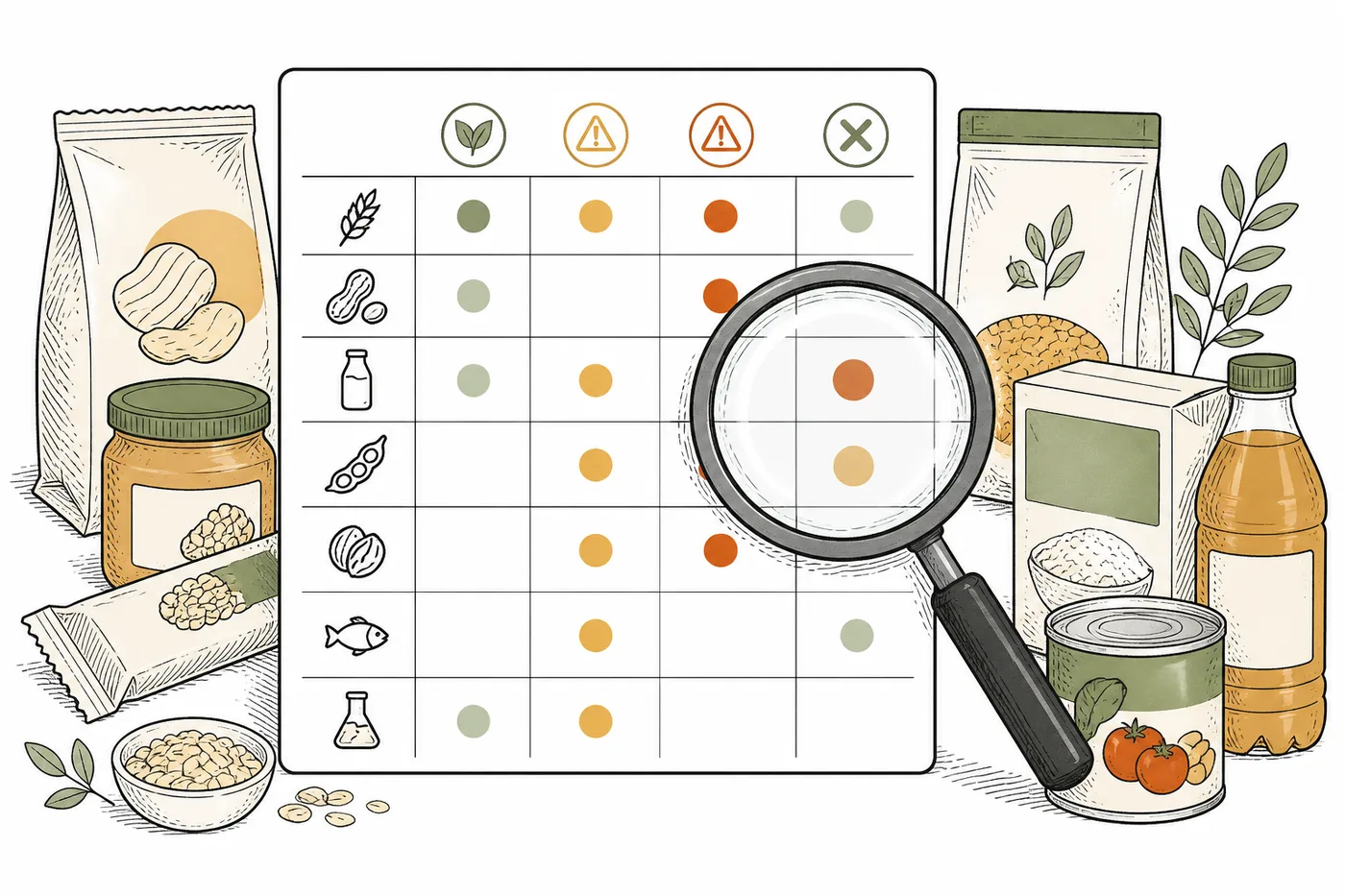
Ingredient risk map
Ingredient notes
Sucralose
A zero-calorie sweetener that lowers sugar content, but it is one of the main reasons this product scores poorly.
Fractionated Palm Kernel Oil
A processed fat used for texture and shelf stability, but it adds saturated fat without much nutritional upside.
Maltitol Syrup
A sugar alcohol that can help reduce sugar, though it may also cause digestive discomfort in some people.
Natural Flavor
Adds flavor, but it does not tell you much about the exact compounds used.
Soy Protein Isolate
A concentrated protein source, but it is also a heavily processed ingredient.
What to compare in store
- If you want a simpler protein powder, compare the label against one with fewer sweeteners and no processed oils.
- If your stomach is sensitive, compare it with unsweetened powders because maltitol and sucralose can bother some people.
- If you care most about ingredient transparency, look for products that use a shorter list of recognizable ingredients.
- If you are choosing between protein powders, compare the protein source first, then check whether the formula adds oils, sugar alcohols, or artificial sweeteners.
Better label signals
- A shorter ingredient list with a clear protein source near the top.
- No sugar alcohols if you know they upset your stomach.
- No high-severity sweeteners like sucralose if you prefer a less processed formula.
- No added processed oils if you want a leaner protein product.
Scan the label before you buy.
Blume reads food labels, flags ingredients, and gives each product a plain-English score so you can compare options in the aisle.
Download BlumeFAQ
Does Pure Protein Chocolate Peanut Butter have artificial sweeteners?
Yes. Sucralose is included, and it is a major reason the score is low.
Why is this protein powder scored so low?
The score is pulled down by a mix of sucralose, maltitol syrup, fractionated palm kernel oil, natural flavor, and a processed protein base.
Is it bad to use protein powder like this every day?
The label data does not tell you how it will fit into your whole diet, but the formula is more processed than a basic protein powder. If you use it often, the sweeteners and sugar alcohol are the main things to watch.
Sources and method
Product and ingredient signals come from the Blume product database. The label-reading context below is included on every product report so the article stays tied to public food-label rules.
- FDA Daily Value guide: The FDA says 20% DV or more is high and 5% DV or less is low for a nutrient on the Nutrition Facts label.
- FDA ingredient list guide: The FDA explains that ingredients are listed in descending order by weight on food labels.
- FDA major allergen update: Sesame became the ninth major food allergen in the United States on January 1, 2023.
- FAO NOVA classification overview: The NOVA system classifies foods by the extent and purpose of processing.