Clover Sonoma Clover Creamel Coffee and Tea Creamer Sweetened: Corn Syrup Solids and other ingredients to
Clover Creamel Coffee and Tea Creamer Sweetened is a sugary, highly processed creamer with corn syrup solids and additives.
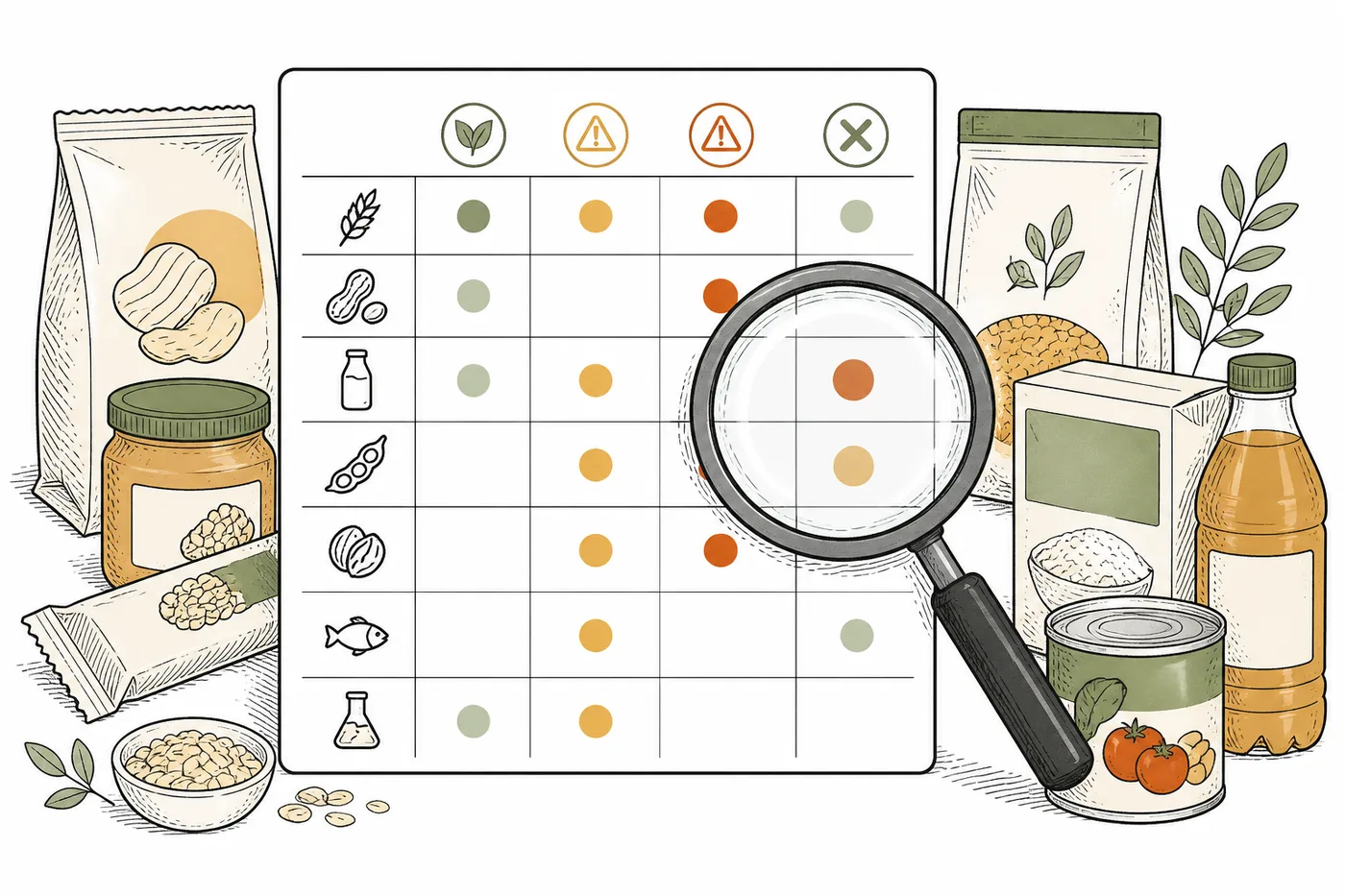
Blume score
Very low score - cream creamers
This report uses Blume product data, ingredient notes, and FDA label-reading rules. It is general shopping context, not medical advice.
Short answer
Sweetened coffee creamer primarily made with corn syrup solids and additives, minimal nutritional benefit, high glycemic impact.
Answers people search for
Is Clover Sonoma Clover Creamel Coffee and Tea Creamer Sweetened healthy?
Clover Sonoma Clover Creamel Coffee and Tea Creamer Sweetened scores 10/100 in Blume, which puts it in the very low range. That does not mean one serving is dangerous, but it does mean the label has tradeoffs worth comparing.
Clover Sonoma Clover Creamel Coffee and Tea Creamer Sweetened ingredients?
The ingredients worth slowing down for are Corn Syrup Solids, Anti-caking Agent [E551] (Silicon Dioxide), Acidity regulators E330 citric acid E500 sodium acid carbonate, Calories. Scan the full label because ingredient order and serving size can change how the product fits your diet.
Clover Sonoma Clover Creamel Coffee and Tea Creamer Sweetened nutrition label?
Use the Nutrition Facts panel as the tie-breaker. The FDA's 5% and 20% Daily Value rule is a useful shortcut: 5% DV is low, while 20% DV is high for a nutrient.
Clover Sonoma Clover Creamel Coffee and Tea Creamer Sweetened calories and sugar?
Use the Nutrition Facts panel as the tie-breaker. The FDA's 5% and 20% Daily Value rule is a useful shortcut: 5% DV is low, while 20% DV is high for a nutrient.
Why the score landed there
- High content of corn syrup solids associated with metabolic risks
- Contains anti-caking agents and acidity regulators as additives
- Low protein and fiber, no whole food ingredients
- Sugar-sweetened with minimal nutritional value, ultra-processed
Ingredient risk map
Ingredient notes
Corn Syrup Solids
This is the main ingredient signal to notice. It is a processed carbohydrate ingredient used for sweetness and bulk.
Anti-caking Agent [E551] (Silicon Dioxide)
This keeps the powder from clumping and helps it pour smoothly, but it is a functional additive rather than a food ingredient with nutritional value.
Acidity regulators E330 citric acid E500 sodium acid carbonate
These control pH and stability, which is useful in a creamer but also shows how heavily the product is formulated.
Calories
The presence of calories is expected in a creamer, but the score is driven more by the ingredient structure than by calories alone.
Saturated Fat
Creamer usually has some fat, but here the key issue is the processed sweetener base and additive system.
What to compare in store
- Compare creamers by the first ingredient or main sweetening base, more than by flavor name.
- Look for products without corn syrup solids if you want a less processed option.
- Check whether the creamer uses simple dairy ingredients instead of additive-heavy powder systems.
- Compare unsweetened versions if you want more control over sweetness in coffee or tea.
Better label signals
- A shorter ingredient list with simple dairy ingredients.
- No corn syrup solids or other concentrated sweetener bases.
- Fewer stabilizers, anti-caking agents, or acidity regulators.
- Unsweetened or lightly sweetened options with clearer ingredient names.
Scan the label before you buy.
Blume reads food labels, flags ingredients, and gives each product a plain-English score so you can compare options in the aisle.
Download BlumeFAQ
Why is corn syrup solids a problem here?
It is a processed carbohydrate ingredient that acts as a sweetener and bulking agent, so it makes the creamer more industrial in feel.
Is the additive list unusual for a creamer?
Not entirely, but the more additives a product needs to stay stable and powdery, the more processed it usually is.
What should I look for instead?
A creamer with fewer additives and a simpler dairy base, especially if you want less sweetness.
Sources and method
Product and ingredient signals come from the Blume product database. The label-reading context below is included on every product report so the article stays tied to public food-label rules.
- FDA Daily Value guide: The FDA says 20% DV or more is high and 5% DV or less is low for a nutrient on the Nutrition Facts label.
- FDA ingredient list guide: The FDA explains that ingredients are listed in descending order by weight on food labels.
- FDA major allergen update: Sesame became the ninth major food allergen in the United States on January 1, 2023.
- FAO NOVA classification overview: The NOVA system classifies foods by the extent and purpose of processing.