Is Ferma Yantar Processed Cheese bad for you? A label-based answer
Ferma Yantar Processed Cheese has moderate additives and preservatives, with some natural dairy protein content.
Blume score
Low score - cheese
This report uses Blume product data, ingredient notes, and FDA label-reading rules. It is general shopping context, not medical advice.
Short answer
Processed cheese with purified water and additives, moderate processing level.
Answers people search for
Is Ferma Yantar Processed Cheese healthy?
Ferma Yantar Processed Cheese scores 23/100 in Blume, which puts it in the low range. That does not mean one serving is dangerous, but it does mean the label has tradeoffs worth comparing.
Ferma Yantar Processed Cheese ingredients?
The ingredients worth slowing down for are Purified Drinking Water, Carrageenan, Preservative E200 (Sorbic Acid), Added Sugars. Scan the full label because ingredient order and serving size can change how the product fits your diet.
Ferma Yantar Processed Cheese nutrition label?
Use the Nutrition Facts panel as the tie-breaker. The FDA's 5% and 20% Daily Value rule is a useful shortcut: 5% DV is low, while 20% DV is high for a nutrient.
Ferma Yantar Processed Cheese calories and sugar?
Use the Nutrition Facts panel as the tie-breaker. The FDA's 5% and 20% Daily Value rule is a useful shortcut: 5% DV is low, while 20% DV is high for a nutrient.
Why the score landed there
- Purified drinking water may lack minerals and carry contaminants
- Contains carrageenan, a controversial thickener with digestive risks
- Includes sorbic acid preservative with mild risks
- Provides protein from cheese and cottage cheese but saturated fat also present
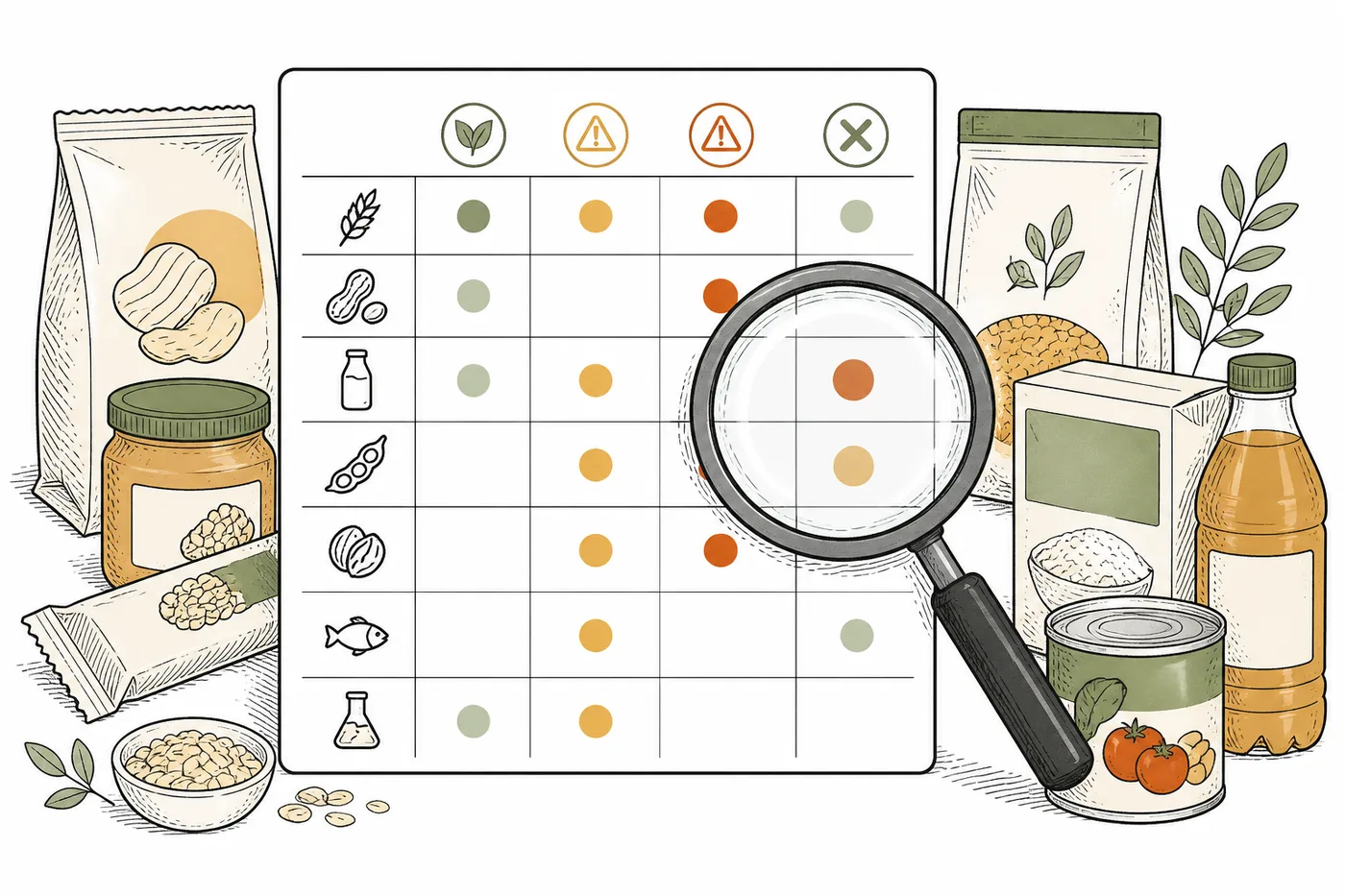
Ingredient risk map
Ingredient notes
Purified Drinking Water
This suggests the product is not made from cheese alone. Water is being used as a major base ingredient, which is common in processed cheese products.
Carrageenan
A thickener and stabilizer used to improve texture. It helps the product hold together, but it is still a processing aid.
Preservative E200 (Sorbic Acid)
Used to slow spoilage and extend shelf life. It does its job well, but it signals a more shelf-stable processed food.
Calcium Chloride
A firming agent that can help with texture and stability. It is functional, but not a sign of a less processed product.
Cheese
Cheese is part of the formula, but the rest of the list shows this is a processed blend rather than plain cheese.
What to compare in store
- If you want a simpler cheese, compare labels for a shorter ingredient list and fewer stabilizers.
- Look for cheese that does not list water as a major ingredient.
- Fewer preservatives and thickening agents usually means a more straightforward dairy product.
- If texture additives matter to you, compare carrageenan, gums, and other stabilizers across brands.
Better label signals
- Cheese or milk ingredients listed before water.
- No carrageenan or similar stabilizers.
- Fewer preservatives.
- A shorter label that looks closer to traditional cheese.
Scan the label before you buy.
Blume reads food labels, flags ingredients, and gives each product a plain-English score so you can compare options in the aisle.
Download BlumeFAQ
Why does processed cheese score so low?
Because the label depends on water, stabilizers, and preservatives to create a cheese-like product, rather than relying mostly on cheese itself.
Is carrageenan the main issue here?
It is one concern, but the bigger point is that the whole formula is highly processed and built for texture and shelf life.
What is a better sign on a cheese label?
A shorter ingredient list with cheese or milk ingredients leading the label and fewer stabilizers.
Sources and method
Product and ingredient signals come from the Blume product database. The label-reading context below is included on every product report so the article stays tied to public food-label rules.
- FDA Daily Value guide: The FDA says 20% DV or more is high and 5% DV or less is low for a nutrient on the Nutrition Facts label.
- FDA ingredient list guide: The FDA explains that ingredients are listed in descending order by weight on food labels.
- FDA major allergen update: Sesame became the ninth major food allergen in the United States on January 1, 2023.
- FAO NOVA classification overview: The NOVA system classifies foods by the extent and purpose of processing.